China Top 10 Sewer Line Cleaning Machine Suppliers?
China’s Sewer Line Cleaning Machine suppliers are gaining attention as cities replace aging pipes and improve preventive maintenance. The U.S. Environmental Protection Agency’s 2022 Clean Watersheds Needs Survey estimated $630.1 billion in wastewater infrastructure needs over the next 20 years. That figure shows why reliable cleaning equipment matters. It also exposes a weakness: many buyers compare prices before checking pump performance, hose control, water recycling, and service support.
A professional Sewer Line Cleaning Machine should remove grease, sand, roots, and settled sludge without damaging the pipe. Field operators often work in narrow streets, wet chambers, and low-visibility conditions. Small details matter. A stable hose reel matters. So does easy access to filters and nozzles. ASCE’s 2021 Infrastructure Report Card gave U.S. wastewater infrastructure a “D+,” reinforcing the need for consistent maintenance and better equipment planning.
NASSCO educator Ted DeBoda has emphasized a practical principle: “A clean sewer is the starting point for a reliable inspection.” This idea guides our review of China’s top suppliers. We examine manufacturing experience, machine configuration, cleaning pressure, flow rate, customization, certifications, and after-sales response. Market reports provide useful direction, but their supplier rankings and revenue estimates can differ considerably. That limitation deserves attention. A polished brochure cannot replace a live demonstration, spare-parts evidence, and references from operating contractors. The following list therefore aims to be useful, not absolute.
What Are Sewer Line Cleaning Machines and How Do They Work?
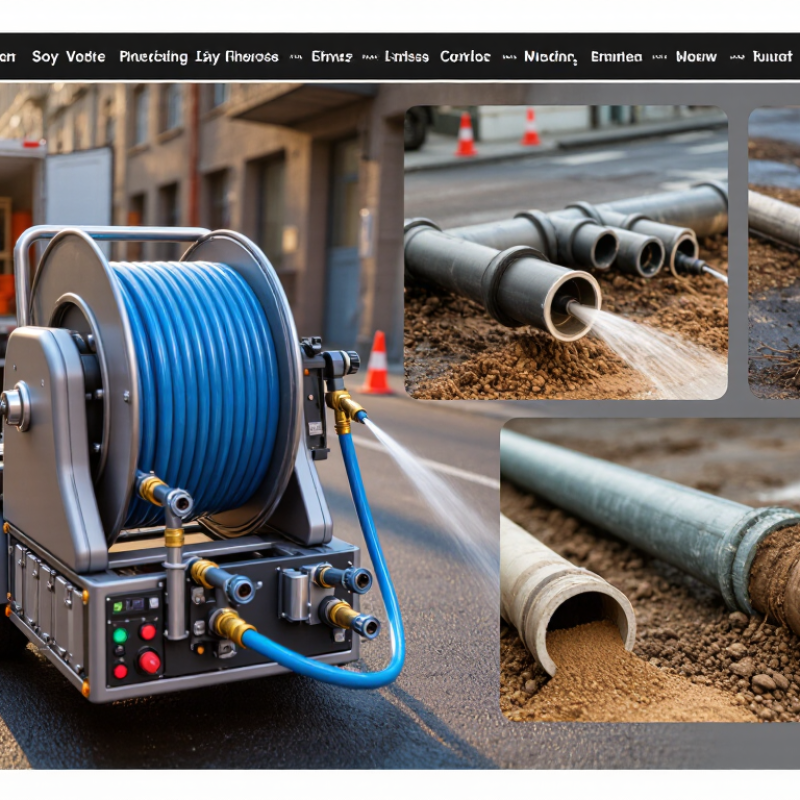
Sewer line cleaning machines remove grease, roots, sand, and hardened deposits from underground pipes. They are essential tools when ordinary plungers cannot reach deep blockages. Common systems include cable machines, high-pressure water jetters, and vacuum-assisted units. Each machine uses a different cleaning principle. Cable equipment sends a rotating steel coil through the pipe. Cutting heads break apart tough obstructions. Jetters push water through a narrow nozzle at high pressure. The water loosens debris and carries it toward the access point. Vacuum systems then collect the wastewater and loosened material. In China’s supplier market, buyers should compare pump pressure, cable length, hose durability, safety controls, and maintenance support.
Tips: Match the machine to the pipe diameter and blockage type. Check flow rate, not pressure alone. A powerful jet can damage weak or cracked pipes. Operators should inspect the work area before starting. Some crews learn this late. Protective equipment and controlled access remain practical necessities.
Good cleaning depends on experience, not machine power alone. A trained operator adjusts nozzle movement, water pressure, and working speed. Camera inspection can confirm whether the blockage is gone. It may also reveal collapsed sections or recurring root intrusion. One common mistake is cleaning repeatedly without identifying the real cause. That wastes water, labor, and time. I would also question impressive specifications without clear testing records, replacement-part details, and responsive technical guidance. A reliable supplier should explain operating limits honestly, including situations where cleaning is not the correct solution.
How to Evaluate Chinese Sewer Line Cleaning Machine Suppliers
How to Evaluate Chinese Sewer Line Cleaning Machine Suppliers
Evaluating Chinese sewer line cleaning machine suppliers requires more than comparing online prices. Start with the machine’s working range, cable strength, water pressure, motor output, and drum capacity. Ask for test videos showing roots, grease, and compacted sediment removal. Better still, arrange a live factory demonstration using pipe sections similar to your own projects. Small details matter. Check frame welds, wheel stability, emergency stops, and access to electrical components. A polished website proves little.
Request complete technical files, including drawings, operating instructions, maintenance schedules, and applicable compliance documents. Confirm whether the stated performance comes from laboratory testing or actual job sites. Ask for customer references in climates and drainage systems resembling yours. A reliable supplier should explain limitations clearly, not promise that one machine handles every blockage. I would also inspect production records, quality checkpoints, and final-load testing. Missing records may indicate weak process control.
Spare parts deserve equal attention. Confirm prices and delivery times for cables, nozzles, pumps, belts, and control switches. Discuss warranty coverage in writing, including labor and shipping responsibilities. Video training can help, but local technical support is more valuable during a breakdown. One concern is often overlooked: translated manuals may contain vague safety instructions. Have an experienced operator review them before purchase. I have seen buyers focus on machine color and discount levels, then regret ignoring cable replacement costs. A second inspection before shipment may feel unnecessary, yet it can reveal loose terminals, damaged paint, or incomplete accessories.
China Top 10 Sewer Line Cleaning Machine Suppliers? - How to Evaluate Chinese Sewer Line Cleaning Machine Suppliers
How the Leading Suppliers Compare by Products and Services
China’s leading sewer line cleaning machine suppliers differ less in basic hardware than in complete service capability. Most offer high-pressure jetting units, vacuum trucks, combination machines, and trailer-mounted systems. More advanced suppliers add robotic inspection, pipe desilting, and remote-control options. Product capacity matters. A 2,000-liter tank suits narrow urban work, while larger municipal fleets may require 10,000 liters or more.
The U.S. Environmental Protection Agency’s 2022 Clean Watersheds Needs Survey estimated over 630 billion dollars in wastewater infrastructure needs. Its earlier assessments also reported about 23,000 to 75,000 sanitary sewer overflows each year. These figures explain the demand for dependable cleaning equipment, not just low purchase prices. When comparing suppliers, check pump pressure, flow rate, hose length, vacuum depth, tank material, and winter operating performance. Service quality is equally important. Strong suppliers provide factory testing, customized chassis design, spare-parts access, operator training, remote troubleshooting, and clear warranty terms. ISO 9001 certification can support process reliability, but it does not guarantee field performance. That distinction is easy to miss.
Tips: Request a live water-flow demonstration. Ask for three-year parts pricing. Verify local service response times. Review maintenance records from similar climates. A polished catalog can hide weak support. Supplier rankings also remain imperfect because export data rarely measures after-sales performance. Your own site trial should carry more weight than a sales presentation.
This chart compares the main product and service dimensions commonly used when evaluating leading Chinese sewer line cleaning machine suppliers. The scores are weighted benchmark values on a 100-point scale and exclude company names, brands, and proprietary performance claims.
What to Consider Before Choosing a Chinese Supplier
When comparing China’s top 10 sewer line cleaning machine suppliers, do not rank them by catalog size alone. A machine must match your daily work. Check pipe diameters, blockage types, cable length, water pressure, and operating hours. Ask for measured performance, not broad claims. Request a live test video showing a greasy pipe, a sharp bend, and a long discharge run. Small details matter. Does the cable drum wobble? Can one operator reverse it safely? These observations often reveal more than polished brochures.
Supplier experience should be visible in drawings, manuals, and replacement-part records. Ask how the pump, nozzle, hose, and frame are tested before shipment. Verify motor ratings, electrical protection, noise data, and material grades through traceable documents. A factory audit, independent inspection, or pre-shipment test can reduce uncertainty. It is easy to accept a low price and forget downtime. That mistake is expensive. Inspection reports can still miss poor training or weak after-sales support.
Discuss warranty scope in writing, including seals, cables, engines, and labor. Confirm spare-part availability, response times, packaging strength, and technical language. Clarify payment terms, production lead time, export documents, and delivery responsibilities. Buy one sample when possible, then run it under local conditions. Record fuel use, cleaning speed, hose wear, and operator fatigue. My own selection process has missed hidden maintenance costs before. I now request a twelve-month total cost estimate, not just a factory quotation.