Top 10 Benefits of Using Plastic Pallet Mold for Your Business?
In today’s competitive market, efficiency and cost-effectiveness are crucial for any business. One effective solution to enhance operational productivity is the use of Plastic Pallet Mold. Industry reports indicate that companies implementing plastic pallets can reduce their logistics costs by up to 20%. This significant reduction is largely due to their durability and lightweight nature.
The mold technology behind plastic pallets offers precision and consistency. A study by the Material Handling Industry of America revealed that more than 60% of companies experienced improved supply chain efficiency after switching to this option. This transition not only streamlines operations but also contributes to sustainability goals, aligning with modern consumer expectations.
Despite the clear benefits, businesses must consider the initial investment in Plastic Pallet Mold. While the upfront cost can be daunting, the long-term savings often outweigh this hurdle. Reflecting on these factors can guide businesses toward making informed decisions that align with their operational goals. Understanding the nuances of this technology is key to fully capitalizing on its advantages.
Advantages of Plastic Pallet Molds in Manufacturing Processes
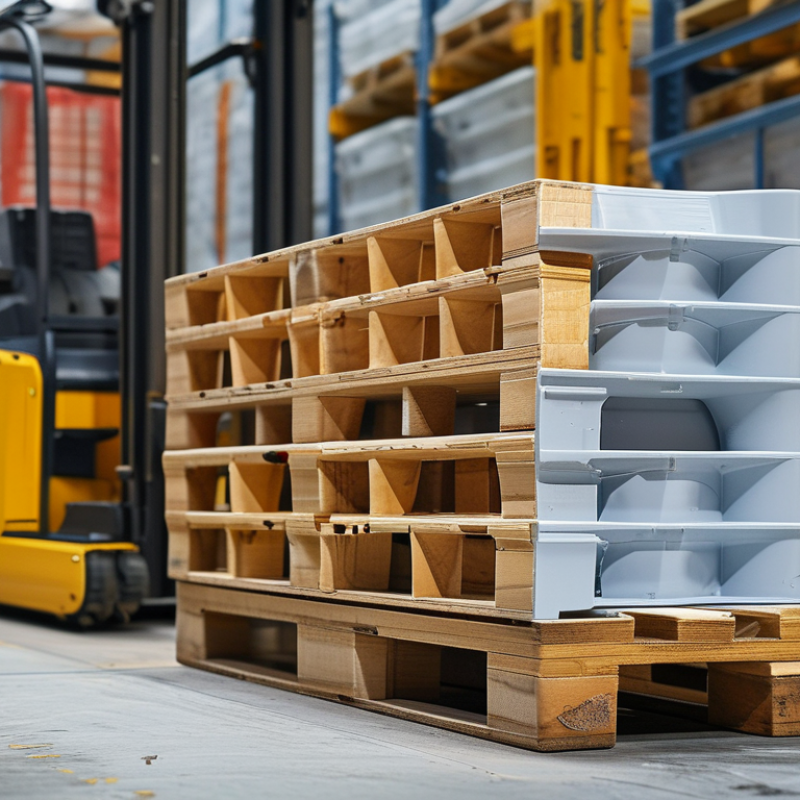
Plastic pallet molds offer significant advantages in manufacturing processes. They are lightweight yet durable, making them ideal for various applications. Unlike wooden pallets, plastic models resist moisture and chemicals, reducing wear and tear. This durability leads to cost savings over time. Businesses can experience lower repair and replacement expenses.
Incorporating plastic pallet molds enhances production efficiency. They are easy to clean, which is crucial in maintaining hygiene standards. Moreover, their design allows for efficient stacking, optimizing warehouse space. Efficiency in operations can directly impact profitability. However, some businesses may hesitate due to initial costs. This investment could yield long-term benefits.
One consideration is the environmental impact. While plastic can be recyclable, it still poses challenges. It's essential for manufacturers to choose sustainable practices. Reflecting on these choices can guide better decision-making. Balancing cost and sustainability is a task that requires careful thought. So, investing in plastic pallet molds needs a thorough assessment of potential long-term implications.
Cost Efficiency: Reducing Overall Production Expenses with Plastic Pallets
The cost efficiency of using plastic pallets is significant for businesses. According to a recent industry report, companies can reduce their overall production expenses by up to 30% when switching from wooden to plastic pallets. This transition minimizes recurring costs related to repairs and replacements, as plastic pallets are known for their durability. They often have a longer lifespan than their wooden counterparts, leading to fewer replacements over time.
Moreover, plastic pallets contribute positively to shipping and storage costs. They are lightweight and stackable, resulting in saving on shipping fees. Businesses can transport more goods in one load, maximizing space and reducing fuel expenses. However, the initial investment in plastic pallet molds may seem high. It's essential to weigh these costs against long-term savings. Some companies express concerns about the upfront expense, but many find it offsets over time through efficiency gains and reduced waste.
Another aspect worth noting is hygiene. Plastic pallets are easier to clean and sanitize, crucial in industries like food and pharmaceuticals. This can lead to fewer product recalls and associated costs due to contamination. While some businesses may hesitate to change their established processes, a careful analysis reveals that the transition can result in significant financial benefits and improved safety standards.
Environmental Impact: Sustainability Benefits of Using Plastic Pallets
The use of plastic pallets in various industries significantly impacts sustainability. Unlike traditional wooden pallets, plastic pallets can be recycled multiple times. This feature helps reduce waste in landfills. Additionally, plastic pallets are often made from recycled materials, further supporting a circular economy.
Moreover, plastic pallets are designed to be durable. They can withstand harsh conditions and heavy loads without breaking down. This resilience means lower replacement rates, which ultimately benefits the environment. However, the production process of plastic does have its environmental costs. Companies must consider the energy consumed and emissions generated during manufacturing.
One challenge is the perception of plastic as inherently harmful. While it's essential to acknowledge this, modern plastic pallets are engineered for longevity and efficiency. They can lower carbon footprints when managed properly. Regular assessment of sourcing practices and recycling programs can enhance sustainability. This ongoing reflection is crucial for businesses aiming to make a genuine difference in their environmental impact.
Durability and Longevity: Enhancing Supply Chain with Robust Pallet Molds
Durability and longevity stand out as essential considerations when choosing pallet molds. Plastic pallet molds are known for their robustness. They resist wear and tear better than wooden alternatives. Research shows that plastic pallets can last up to five times longer than wood pallets, which can splinter and break. A study by the National Wooden Pallet and Container Association indicates that 55% of wooden pallets fail within their first year of use. This lack of durability leads to increased costs and operational inefficiencies.
In supply chains, every fraction of a second counts. Durable pallet molds significantly reduce downtime due to pallet replacement. A survey from the Packaging Association found that businesses using plastic pallets reported a 30% reduction in downtime compared to those utilizing wood pallets. Furthermore, plastic molds support a higher load capacity, enhancing logistics efficiency. They remain stable under varying conditions, mitigating the risks associated with moisture and pests.
Frequent exposure to environmental factors can impact sustainability efforts. However, high-quality plastic molds minimize the need for frequent replacements, reducing waste. They can often be recycled, contributing to a circular economy. Despite these benefits, companies must review long-term costs versus initial investments. A thorough assessment can help balance durability with overall budget constraints, ensuring effective decision-making in the logistics landscape.
Customization Options: Tailoring Plastic Pallets to Meet Business Needs
Customization options for plastic pallets have become essential for many businesses looking to optimize their logistics and supply chain. According to a recent report from the Plastic Pallet Consortium, tailored pallets can reduce transport costs by an average of 30%. This significant reduction is attributed to improved space utilization and decreased weight. Customizing pallet size and shape can help in maximizing storage efficiency.
With advances in 3D printing and mold technologies, businesses can create pallets that fit specific products perfectly. This minimizes movement during transport, reducing damage rates by as much as 25%. Custom colors and branding options also enhance product visibility and company identity during shipping. This is especially useful in industries where aesthetics matter, such as food and retail.
Tips: Consider the unique dimensions of your products. A well-fitted pallet prevents slippage. Engage with mold manufacturers early in the design process. This collaboration can help ensure that your customized pallets not only meet your functional needs but also comply with safety standards. As you explore customization, reflect on durability versus weight. Sometimes heavier materials offer more longevity, but at increased shipping costs. Each decision should align with your overall business strategy.