Top GRP Storage Tank Manufacturers in China?
Choosing among the top GRP storage tank manufacturers in China requires more than comparing prices. A tank may look similar in a brochure, yet differ in resin selection, laminate thickness, winding quality, and inspection records. Those differences matter when the vessel must hold water, chemicals, or process fluids under demanding conditions.
A well-made Grp Storage Tank should match the stored medium, operating temperature, design pressure, and installation environment. Buyers should examine technical drawings, material specifications, leakage-test procedures, and documented quality controls. Ask how the manufacturer verifies wall thickness and inspects joints. Request project references for tanks of comparable capacity, not just attractive factory photographs. Small details count. A nozzle placed too close to a support can complicate piping. A delivery schedule without clear packing and site-access plans can cause avoidable delays.
China has manufacturers serving domestic and overseas projects, but capabilities vary. Some specialize in sectional panel tanks; others focus on larger, custom-built vessels. Compare engineering support, production capacity, warranty terms, and after-sales service alongside the quotation. The lowest bid may leave important questions unanswered. That deserves a second look.
A named expert quotation cannot be responsibly attributed without a verifiable source. No supporting article or expert statement was provided here, so this introduction avoids inventing one. Any final ranking should likewise rely on checkable specifications, references, and factory evidence.
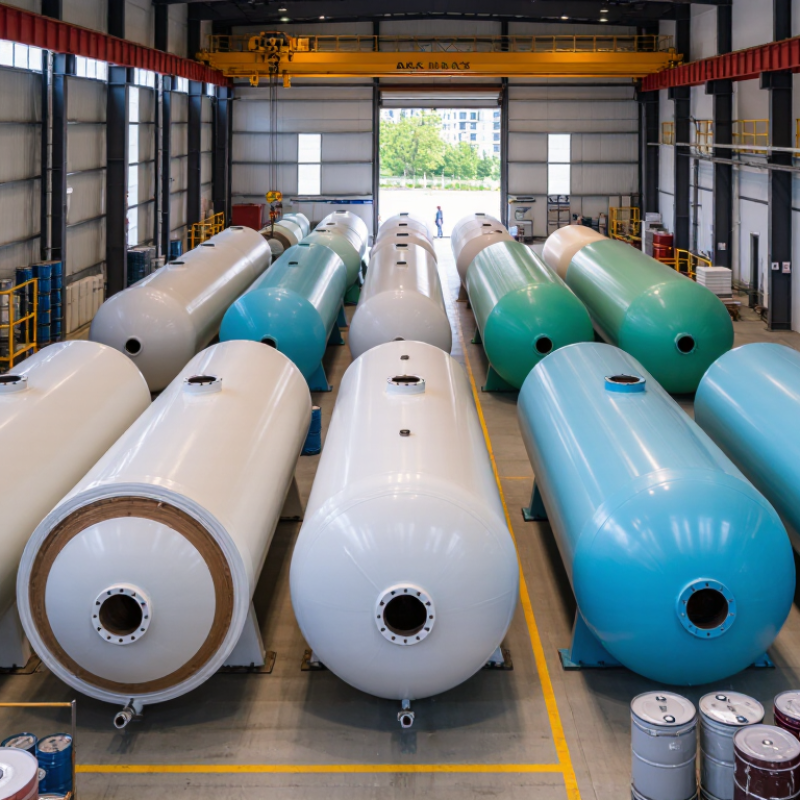
Understanding GRP Storage Tanks and Their Applications
GRP storage tanks are made from glass-reinforced plastic, a composite valued for its low weight and resistance to corrosion. They can store water for buildings, farms, and industrial sites. Panel tanks are assembled on site, which can help when access is narrow. Smaller molded tanks suit simpler installations. That matters. The correct design depends on the stored liquid, capacity, temperature, and site conditions—not just the tank’s material.
Tips: Confirm chemical compatibility before ordering. Check the foundation, support points, access openings, and overflow route. For drinking water, verify that the tank and its internal lining meet the relevant local requirements. Ask the supplier for installation and inspection guidance.
GRP tanks may also serve fire-water systems and wastewater applications, but specifications vary. Sunlight, heat, and certain chemicals can affect materials over time. A tank that looks sturdy may still be a poor match for its contents. It is worth reviewing drawings and maintenance access with a qualified engineer before installation. Even then, inspection schedules need attention; they are easy to postpone once the tank is in service.
How China’s GRP Tank Manufacturing Industry Is Structured
How China’s GRP Tank Manufacturing Industry Is Structured
China’s GRP tank industry is a supply chain, not a single factory model. Upstream suppliers provide glass-fiber reinforcement, resin, and fittings. Tank manufacturers then form the shell through filament winding, hand lay-up, or molding. Engineering firms and regional fabricators may handle design, installation, and maintenance. This division allows producers to serve water treatment, chemical processing, and agricultural storage needs. But quality can vary between suppliers.
The China Fiberglass Industry Association reported domestic glass-fiber yarn output of about 7.23 million tonnes in 2023. This figure describes an upstream material sector, not GRP tank production. It helps explain why local manufacturers can source reinforcement at scale, but it does not prove that every tank has consistent resin selection, wall thickness, or quality control. A large market can still contain uneven practices. Buyers should review test records and ask how manufacturers inspect joints and fittings.
Tips: Compare tank drawings, resin specifications, and documented inspection procedures. Ask for project references involving similar media and operating temperatures. A polished brochure is not enough. One detail is easy to miss: installation support may come from a separate contractor, so confirm who is responsible for site checks and commissioning.
Leading GRP Storage Tank Manufacturers in China
Leading GRP storage tank manufacturers in China are best judged by engineering evidence, not catalogue size. Grand View Research’s 2023 fiberglass market analysis valued the global market at about US$24.3 billion in 2022 and projected 4.8% annual growth through 2030. That figure covers many fiberglass applications, not tanks alone, so it signals material demand rather than ranking Chinese suppliers. Details matter. Buyers should check resin compatibility, design temperature, tank diameter, operating pressure, and the stored liquid before comparing quotations.
For practical screening, request drawings, laminate schedules, inspection records, and hydrostatic test procedures. A filament-wound tank should have consistent wall thickness, clean flange edges, and documented curing controls. ASTM D3299 provides a technical reference for filament-wound, glass-fiber-reinforced thermoset resin corrosion-resistant tanks; confirm that the offered design and test scope match the project. Ask for proof. Factory audits and references from similar chemical or water-service installations can reveal more than polished brochures. Some suppliers may quote a low price while leaving support details vague. That deserves a second look. The strongest manufacturers explain their design limits clearly and provide traceable quality records, though even good documentation cannot replace checking the finished tank.
Comparing Manufacturers by Products, Standards, and Capabilities
China’s GRP tank manufacturers offer different product ranges, from modular panel tanks to molded units for smaller installations. Panel tanks can fit tight plant rooms because sections are assembled on site. Capacity, access openings, roof design, and connection positions vary. Details matter.
Standards help distinguish a documented product from a persuasive sales claim. Some manufacturers reference EN 13280 for sectional GRP tanks, where applicable. Potable-water projects may also require separate evidence that materials meet local water-contact requirements. Ask for current test reports and clarify which tank configuration they cover. A certificate alone is not enough.
Manufacturing capability is visible in the details: controlled panel thickness, consistent resin lay-up, documented inspections, and clear installation instructions. Compare how suppliers handle wind or seismic loads, UV exposure, and maintenance access. A tidy brochure proves little. I would ask for drawings, quality records, and references for similar installations. Even then, specifications can be imperfect; verify assumptions with the project engineer before ordering.
GRP Storage Tank Standards: Edition-Year Comparison
A standards-based reference for comparing manufacturers’ product scope and technical capabilities.
The bars show the edition years identified in the standard designations: ASTM D3299-18, ASTM D4097-19, AWWA D120-19, and EN 13121-3:2016. Edition year alone does not indicate a standard’s scope or which requirements apply to a specific tank.
How to Evaluate and Select a GRP Tank Supplier in China
A GRP tank supplier should be assessed on verifiable production controls, not a polished quotation. Request resin and glass-fibre specifications, laminate or panel thickness, UV-protection details, and batch traceability. Ask for the inspection plan and recent hydrostatic test records. For potable-water use, check that the stated certification applies to the exact materials and tank configuration. Small details matter.
The UNESCO World Water Development Report 2024 estimates that global water demand has grown by about 1% annually over the past 40 years, with a similar pace expected through 2050. This is broad planning context, not a tank-sizing rule. Still, it makes capacity, future expansion, and local operating conditions worth discussing with the supplier. Ask for project references involving comparable water quality, climate, and installation conditions. Then confirm those references directly where possible.
Compare complete proposals, including foundations, fittings, access ladders, delivery, installation, and maintenance guidance. A low tank price may exclude costly site work. Review drawings for nozzle positions and clearances before production starts. Visit the factory if feasible, and observe how materials are stored and quality checks are recorded. A visit cannot prove long-term performance. I would still check warranty exclusions, repair procedures, and spare-part availability in writing.



