


Top 10 Natural Stone Materials for Global Buyers

Choosing stone for an international project involves more than color and price. Buyers must examine geology, quarry practices, processing quality, logistics, and long-term performance. This guide introduces the Top 10 Natural Stone Materials for Global Buyers, including granite, marble, limestone, travertine, quartzite, slate, sandstone, basalt, onyx, and soapstone.

The Grand View Research Natural Stone Market Report estimates the global market reached approximately USD 50.37 billion in 2023. It also projects continued growth through 2030, supported by construction, renovation, and premium interior design demand. The U.S. Geological Survey’s Mineral Commodity Summaries further highlights dimension stone’s international trade activity and varied domestic supply. These reports show opportunity, but they also reveal dependence on transport, regional production, and changing project costs.

Jim Hieb, an industry expert and former Natural Stone Institute executive, has stated, “No two pieces of natural stone are exactly alike.” That difference matters. A polished slab may show blue veining, tiny mineral flecks, or natural fissures under warehouse lighting. Professional buyers should request quarry details, technical test results, finish samples, and batch photographs before ordering. They should also verify water absorption, flexural strength, abrasion resistance, and slip performance for the intended application.

No ranking is perfect. Material suitability depends on climate, design, maintenance, and budget. Some stones appear affordable until shipping and installation are added. Others require sealing, careful handling, or stricter quality inspection. This overview offers a practical starting point, while encouraging buyers to question assumptions and confirm every specification.

Top 10 Natural Stone Materials for Global Buyers

How Natural Stone Is Classified and Evaluated Worldwide

Natural stone is classified by geology, mineral content, structure, and intended use. The usual global shortlist includes granite, marble, limestone, travertine, slate, quartzite, sandstone, basalt, onyx, and soapstone. These names describe families, not guaranteed performance. A marble may scratch easily, while a dense quartzite can resist heavy traffic. The label alone is insufficient.

International evaluation relies on measurable evidence. ASTM C97 tests water absorption and bulk specific gravity. ASTM C880 measures flexural strength, while ASTM C241 evaluates abrasion resistance. European buyers often consult EN 12440 for product naming and EN 1469 for external cladding requirements. The 2024 U.S. Geological Survey Mineral Commodity Summaries places dimension stone within its nonfuel mineral statistics, showing why production data must be separated from crushed stone. Market estimates also vary widely; Grand View Research valued the global natural stone market at about USD 51 billion in 2023.

Experienced buyers request a recent petrographic report, test date, quarry location, and batch details. They should inspect filled veins, open fissures, shade variation, and polished edges under direct light. Freeze-thaw testing matters in northern climates. Salt exposure matters near coastlines. The list is useful, but imperfect. Quarry conditions can change. Even one shipment may show visible variation, so a small approved sample should never replace full technical testing.
The Top 10 Natural Stone Materials for Global Buyers

The Top 10 Natural Stone Materials for Global Buyers include granite, marble, limestone, travertine, slate, sandstone, quartzite, basalt, onyx, and soapstone. Each material behaves differently under moisture, heat, abrasion, and sunlight. Granite remains a practical choice for busy kitchens and exterior paving. Marble offers striking veining, but acids can etch its surface quickly. Quartzite looks similar to marble and often provides stronger wear resistance, although quality varies between quarries.

According to Grand View Research, the global natural stone market was estimated at about USD 50.7 billion in 2022. The report also projected approximately 4.4% annual growth from 2023 to 2030. These figures suggest steady demand, not unlimited suitability. The United States Geological Survey’s Mineral Commodity Summaries 2024 treats dimension stone as a separate mineral commodity, highlighting the importance of material classification and production data. Buyers should request the exact stone type, quarry location, thickness, finish, and test results.

Details matter. A honed limestone floor may feel calm and soft underfoot, but wet entrances can stain it. Dark slate can show dusty footprints more clearly than expected. Onyx may create dramatic backlighting, yet it needs careful handling during transport and installation. I would not rank these ten materials universally. A beautiful sample can mislead. Ask for water absorption, flexural strength, slip resistance, and freeze-thaw data from an independent laboratory. That extra check may prevent an expensive decision.

Top 10 Natural Stone Materials for Global Buyers

A practical comparison of widely traded natural stone materials, their properties, applications, and purchasing considerations.

Note: Technical values are typical ranges and may vary according to quarry location, mineral composition, processing, and testing standards. Confirm project-specific test reports before purchase.
No. Material Geological Type Common Natural Colors Mohs Hardness Typical Water Absorption Typical Applications Key Advantages Purchasing Considerations
1 Granite Igneous rock White, gray, black, pink, red, green, and brown 6–7 About 0.1%–1.0% Kitchen countertops, façades, flooring, stairs, monuments, and outdoor paving High durability, good scratch resistance, and broad indoor and outdoor suitability Check slab consistency, fissures, resin repairs, thickness tolerance, and frost performance for exterior use
2 Marble Metamorphic carbonate rock White, cream, gray, black, green, pink, and veined varieties 3–5 About 0.1%–2.0% Interior flooring, wall cladding, bathrooms, vanities, fireplaces, and sculptures Distinctive veining, luxurious appearance, and excellent polishability Sensitive to acids and scratching; specify stain protection and approve a representative slab
3 Limestone Sedimentary carbonate rock Beige, cream, white, gray, yellow, and light brown 3–4 About 1%–15% Building façades, wall cladding, flooring, paving, landscaping, and architectural detailing Warm appearance, workable texture, and suitability for traditional and contemporary architecture Porosity varies significantly; evaluate freeze–thaw resistance, sealers, and acid sensitivity
4 Travertine Porous sedimentary carbonate rock Ivory, beige, walnut, gold, cream, and reddish brown 3–4 About 1%–10%+ Bathrooms, floors, pool surrounds, patios, façades, and feature walls Natural linear or cloud-like patterns, non-slip textures, and comfortable visual warmth Open holes may be filled or left unfilled; sealing and regular maintenance are usually required
5 Slate Metamorphic foliated rock Charcoal, black, gray, green, purple, and rust tones 4–6 About 0.2%–3.0% Roofing, flooring, wall cladding, paving, steps, and landscaping Natural cleft texture, layered appearance, good weather resistance, and low-maintenance options Confirm consistent cleavage, flatness, thickness, delamination resistance, and regional climate suitability
6 Quartzite Metamorphosed quartz-rich sandstone White, gray, silver, beige, green, blue, and rose 7 About 0.1%–1.0% Countertops, façades, flooring, stairs, wall panels, and exterior paving Very high hardness, strong abrasion resistance, and dramatic natural movement Verify that the material is true quartzite rather than a softer quartz-rich stone; inspect resin treatment and fissures
7 Sandstone Clastic sedimentary rock Tan, beige, yellow, red, brown, gray, and buff 6–7 About 1%–12% Paving, façades, garden walls, steps, landscaping, and heritage restoration Natural texture, slip-resistant finishes, and a wide range of earthy colors Assess porosity, salt crystallization, freeze–thaw performance, and surface scaling risk
8 Onyx Decorative banded carbonate stone Honey, cream, white, green, orange, brown, and pink 6–7 About 0.5%–3.0% Feature walls, reception desks, bar fronts, decorative panels, and backlit installations Exceptional translucency, layered patterns, and strong decorative impact More fragile than granite; specify suitable thickness, reinforcement, edge protection, and careful handling
9 Basalt Fine-grained igneous rock Dark gray, charcoal, black, and blue-gray 6–7 About 0.1%–2.0% Urban paving, façades, flooring, curbs, stairs, landscaping, and infrastructure projects Dense structure, modern appearance, abrasion resistance, and strong outdoor performance Check mineral composition, polishing response, slip resistance, thermal movement, and color uniformity
10 Soapstone Magnesium-rich metamorphic rock Gray, charcoal, green-gray, and black 1–2 Usually below 1% Countertops, sinks, laboratory surfaces, stoves, fireplaces, and sculptures Very low porosity, excellent heat resistance, and strong resistance to many chemicals It scratches more easily than harder stones; specify edge details, surface treatment, and handling requirements

Key Properties, Applications, and Strengths of Each Stone Type

Top 10 Natural Stone Materials for Global Buyers

Granite is dense, abrasion-resistant, and suitable for kitchen counters, façades, and busy floors. Its varied mineral patterns hide minor scratches well. Marble offers elegant veining and a cooler surface, making it popular for bathrooms, halls, and feature walls. However, acids can etch its surface. Limestone has a softer appearance and comfortable visual warmth. It works well for cladding, flooring, and garden structures, but porous grades need careful sealing. Travertine brings natural holes and layered textures to patios, walls, and interiors. Filled or unfilled finishes change both maintenance needs and appearance.

Slate provides natural slip resistance and strong color depth for roofs, floors, and outdoor paths. Quartzite combines high hardness with dramatic patterns, making it useful for counters and exterior surfaces. Sandstone feels tactile and welcoming in paving, façades, and landscape walls. Its absorption varies greatly between deposits. Check samples carefully. Onyx is translucent and visually striking for panels, bars, and softly backlit interiors. It needs careful handling because it can scratch or fracture more easily. Basalt has a fine texture, dark color, and strong performance in paving, stairs, and contemporary façades. Soapstone resists heat and many household chemicals, making it practical for sinks, counters, and laboratory surfaces.

No stone is perfect. A reliable selection considers water absorption, flexural strength, freeze-thaw exposure, finish, and local installation skill. A polished floor may look refined but become slippery when wet. A beautiful sample can also differ from the installed batch. Request technical data and full-size samples before approving large orders.

How to Compare Quality, Finish, Color, and Long-Term Performance

Top 10 Natural Stone Materials for Global Buyers

How to Compare Quality, Finish, Color, and Long-Term Performance

Global buyers often compare stone by photographs. That is risky. A useful comparison starts with petrography, quarry consistency, and test results. The U.S. Geological Survey’s Mineral Commodity Summaries 2024 reported roughly $400 million in U.S. dimension-stone sales for 2023. This market scale shows why disciplined sourcing matters. Ask for the exact quarry, block location, and recent test batch.

“Premium” is not a technical grade.

For quality, request water absorption under ASTM C97, compressive strength under ASTM C170, and flexural strength under ASTM C880. Compare results with the intended use. A dense stone may suit a wet lobby, while softer limestone needs careful detailing.

I have seen a beautiful slab fail near a sink because its edge was thin. Sealing did not solve it. Review several samples, including cut edges and filled areas. Variation matters.

Finish changes performance and color perception.

Polishing can deepen tone, while honed surfaces reveal pores and traffic marks sooner. Flamed finishes improve grip but may mute veining. Check slip data against the project’s local standard.

View samples in daylight, warm LEDs, and after wetting. Natural variation is expected, yet major slab differences may indicate sorting problems.

Request a written color range, maintenance schedule, and freeze-thaw or UV test evidence where relevant. Reports help, but installation quality still decides much of the long-term result.

Essential Sourcing, Testing, Certification, and Shipping Considerations

Global buyers often compare granite, marble, limestone, travertine, slate, quartzite, sandstone, onyx, basalt, and soapstone. Each material needs a different sourcing plan. A polished sample can mislead. Inspect full slabs, not only small tiles. Check vein direction, shade variation, edge quality, and visible cracks. Request quarry details, production capacity, and recent batch photos. I have found that consistent communication prevents more problems than attractive pricing.

Tips: Order a paid sample and keep it as a reference. Test water absorption, flexural strength, abrasion resistance, and freeze-thaw performance when relevant. A qualified laboratory should issue clear test reports. Ask for petrographic analysis if the stone will face heavy use. Review certification documents carefully, including origin, safety data, and destination-market requirements. Documents can expire or describe another batch.

Shipping requires equal attention. Confirm slab thickness, crate dimensions, gross weight, packing materials, and container loading photographs. Moisture-sensitive stones need dry, ventilated protection. Use strong crates with separators and label every bundle. Inspect the shipment before installation, because minor damage can become expensive after cutting. I still allow extra time for port delays and reinspection. Forecasts are useful, but never perfect. Ensure contracts define acceptable color variation, breakage procedures, inspection windows, and responsibility for transport damage.

Article Source:

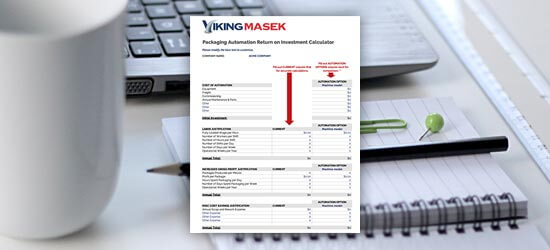
Packaging machine ROI calculator

Need help figuring out if packaging automation is right for your business?


First, start with the numbers. Download our free packing machine ROI calculator to learn how long it will take for an investment in automation to pay for itself (and much more).


Free packaging automation ROI calculator