


Top Plastic Extruder Manufacturers in 2026
Choosing among the top Plastic Extruder manufacturers in 2026 takes more than comparing machine prices or advertised output. Buyers should examine screw and barrel design, control accuracy, energy use, service coverage, and the manufacturer’s experience with the intended material. A line producing pipe, film, or profiles faces different demands. Details matter.
Plastic extrusion scholar Dr. James L. Throne has written extensively about extrusion and polymer processing. A practical paraphrase of the engineering lesson in his work is: “Consistent processing is essential to consistent products.” This is a paraphrase, not a verified verbatim quotation. That distinction matters when technical claims guide purchasing decisions.
This overview compares manufacturers through capabilities, application fit, customization, support, and documented performance—not brochure promises alone. Look for clear specifications, accessible commissioning support, and evidence from comparable installations. A fast line can still disappoint if its process window is narrow or maintenance is difficult. No ranking is perfect; regional service and material requirements can change the best choice. Even a respected supplier may not fit every plant. The aim is a useful shortlist, grounded in practical criteria, so readers can ask sharper questions before requesting a quotation.
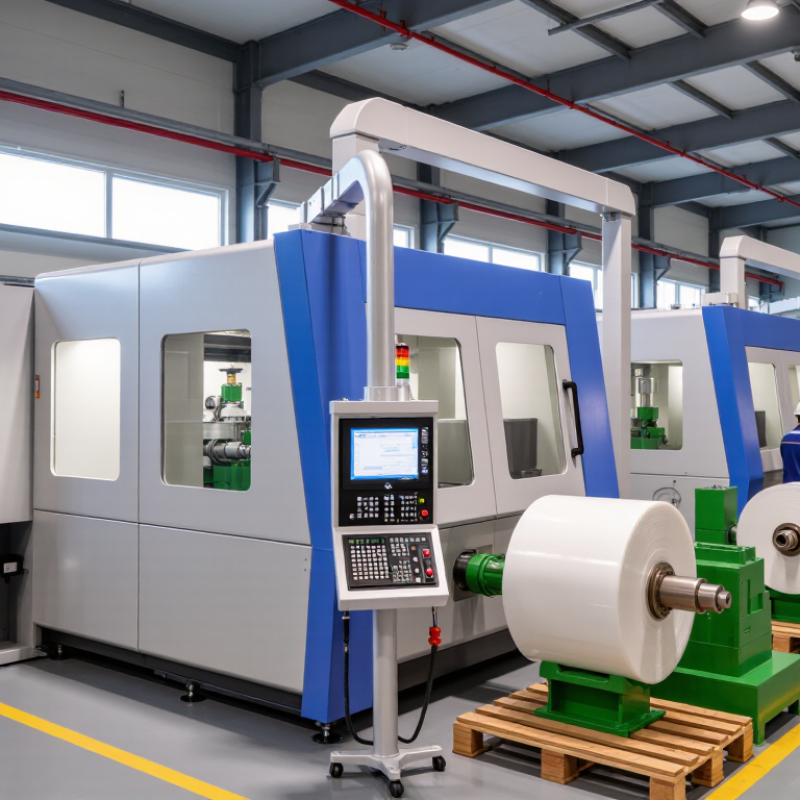
Plastic Extrusion and the Role of Equipment Manufacturers
Plastic extrusion converts resin pellets into continuous profiles, sheets, or film. Equipment manufacturers influence how consistently that transformation happens. A well-matched screw, barrel, drive, and heating system can help maintain steady melt flow during long production runs. Operators monitor temperatures, motor load, pressure, and output at the control panel. Small details matter. A worn screw or uneven feed can cause surging, rough surfaces, or inconsistent dimensions.
Manufacturers contribute more than machinery. Their engineering teams can help define line capacity, cooling requirements, die interfaces, and process controls. Useful support includes clear setup guidance, service documentation, and performance data tied to specific conditions. A line that looks fast on paper may struggle with a heat-sensitive resin or complex profile. Heat is unforgiving. Buyers should ask how equipment trials are run and which product tolerances were measured. Even careful selection cannot eliminate every process variation, and that deserves honest discussion.
Tips: Bring a resin sample and target dimensions to technical reviews. Ask about operating ranges, changeover time, spare-part lead times, and energy use under comparable conditions. Confirm who handles commissioning and operator training. Then check the assumptions in a real production trial.

Criteria for Comparing Plastic Extruder Manufacturers in 2026
In 2026, compare plastic extruder manufacturers by how well their equipment fits your material, product dimensions, and planned production rate. A machine designed for steady output may struggle with frequent material changes or tight tolerances. Ask for documented results using a resin and profile similar to yours. A brochure rating alone is not enough. Numbers can mislead.
Look closely at screw and barrel materials, drive capacity, temperature control, and access for cleaning or maintenance. During a factory visit or trial, observe melt pressure, output stability, and the finished product’s dimensions over a sustained run. Check whether the line can connect with your existing cooling, cutting, and conveying equipment. Small mismatches can create costly bottlenecks. Request energy and scrap data, and clarify how those figures were measured.
Reliable support matters after installation. Compare technician response times, spare-part availability, operator training, and the clarity of maintenance instructions. Ask for references from customers running comparable applications, while remembering that one successful installation cannot predict every result. A weighted scorecard can keep comparisons consistent, but it should leave room for hands-on trials and engineering judgment. No scorecard is perfect. It is easy to overvalue headline output and overlook changeover time, noise, or the effort required to keep quality steady.
Profiles of Leading Plastic Extruder Manufacturers in 2026
Profiles of leading plastic extruder manufacturers in 2026 are best judged by more than catalog size. A useful profile explains the materials and processes a manufacturer supports, such as pipe, sheet, or film extrusion. It should also describe screw and barrel options, control systems, and available technical support. Look for specific evidence, not broad promises: published operating ranges, documented quality procedures, and relevant customer references.
A manufacturer’s experience matters most when it matches the intended production line. Ask how equipment handles changes in resin, output targets, and product dimensions. Details such as temperature consistency, die adjustment, and access for cleaning can affect daily operation. A profile may describe advanced automation, but buyers should check what is included and what requires separate integration. No profile tells the whole story. Factory visits and careful reference checks can reveal gaps in otherwise polished descriptions.
Tips: Compare quoted output under similar material and product conditions. Request a clear breakdown of commissioning, training, spare parts, and service response. Keep the questions specific. One overlooked detail can complicate installation.
Top Plastic Extruder Manufacturers in 2026 — Profiles of Leading Plastic Extruder Manufacturers in 2026
The profiles below describe established equipment specializations across the plastic extrusion industry, not individual companies. Configurations and production capacity vary by machine design, material, product dimensions, and operating conditions.
| Manufacturer Profile | Primary Extrusion Focus | Typical Machine Configuration | Common Materials | Typical Products | Key Process Strength | Common Application Sectors |
|---|---|---|---|---|---|---|
| Profile 1: Pipe and Tubing Systems | Continuous extrusion lines for plastic pipe, conduit, and tubing | Single-screw extruder with a pipe die, sizing or vacuum calibration equipment, cooling tanks, haul-off, and cutting unit | PVC, PE, PP, and selected engineering thermoplastics, depending on the line design | Pressure pipe, drainage pipe, conduit, irrigation tubing, and multilayer pipe | Coordinated melt delivery, dimensional calibration, cooling, and line-speed control | Water and wastewater infrastructure, construction, agriculture, utilities, and industrial fluid handling |
| Profile 2: Blown Film Lines | Production of flexible film using an inflated tubular bubble | Single- or multi-layer extruder arrangement with an annular die, air ring, bubble-control equipment, and winding system | LDPE, LLDPE, HDPE, and compatible barrier or functional polymers in multilayer structures | Packaging film, liners, agricultural film, sacks, and stretch or protective film | Bubble stability, film-thickness control, layer distribution, and winding consistency | Flexible packaging, agriculture, consumer goods, logistics, and industrial packaging |
| Profile 3: Sheet and Cast Film Lines | Flat-die extrusion of plastic sheet and film | Single- or multi-layer extruder feeding a flat die, followed by a chill-roll stack, edge trimming, and winding or sheet cutting | PP, PS, PET, PVC, PE, and other polymers selected for the end product | Thermoforming sheet, packaging film, display sheet, and technical sheet | Flatness, gauge uniformity, surface finish, and controlled cooling | Food packaging, consumer products, construction, signage, and industrial fabrication |
| Profile 4: Compounding and Pelletizing Systems | Polymer compounding, blending, and formulation processing | Often a co-rotating twin-screw extruder with feeders, side feeders, venting, a die, and strand or underwater pelletizing equipment | Thermoplastics combined with additives, colorants, fillers, fibers, or impact modifiers | Compounded pellets, color concentrates, filled grades, and functional polymer formulations | Distributive and dispersive mixing, feeding control, venting, and repeatable formulation processing | Automotive, electrical and electronics, packaging, construction, and consumer products |
| Profile 5: Recycling and Reprocessing Lines | Processing of recovered plastic into reusable melt or pellets | Feed preparation and conveying integrated with an extruder, melt filtration, degassing where required, and pelletizing or direct melt delivery | Sorted and prepared PE, PP, PET, and other compatible recyclable thermoplastics | Recycled pellets, reprocessed material, and feedstock for selected extrusion or molding applications | Stable feeding, contaminant removal through filtration, moisture or volatile management, and melt consistency | Recycling operations, packaging, construction products, consumer goods, and industrial manufacturing |
| Profile 6: Profile and Building-Product Lines | Extrusion of continuous sections with fixed cross-sectional geometry | Single- or twin-screw extruder paired with a profile die, calibration tooling, cooling equipment, haul-off, and saw or cutter | PVC, WPC formulations, PE, PP, and other polymers suited to the profile design | Window profiles, cable ducts, trim, decking, panels, and other custom-shaped sections | Die and calibration design, dimensional stability, surface quality, and consistent cross-section | Building and construction, electrical installation, furniture, infrastructure, and outdoor products |
Key Technologies and Markets Served by Leading Manufacturers
Leading plastic extruder manufacturers compete through control, flexibility, and reliable output. Single-screw lines commonly produce film, pipe, and profiles; twin-screw systems support compounding and demanding material blends. Co-extrusion lets converters combine layers, such as a recycled core and a clean outer skin. These capabilities serve packaging, construction, automotive, and electrical markets, each requiring different tolerances and throughput.
PlasticsEurope’s Plastics—The Fast Facts 2024 report estimates global plastics production at 413.8 million tonnes in 2023. That scale keeps demand high for efficient equipment, but volume alone does not define a good line. Gravimetric feeders, melt-pressure sensors, and automatic thickness gauges help stabilize production and reduce scrap. For recycled feedstock, filtration and careful temperature control matter; inconsistent flakes can still cause gels or uneven surfaces. Automation helps, but it cannot fix poor material preparation.
Tips: Match screw design and filtration to the actual resin mix. Ask for trial runs using your own material, and inspect the finished product—not just the quoted output rate. A faster line can be the wrong line.
How to Select a Plastic Extruder Manufacturer
Top Plastic Extruder Manufacturers in 2026
How to Select a Plastic Extruder Manufacturer
Choosing a plastic extruder manufacturer starts with your production needs, not a sales brochure. Specify resin types, target output, product dimensions, and acceptable tolerances before requesting quotes. Ask how the machine handles start-up, color changes, and recycled feedstock, if relevant. A qualified supplier should explain screw design, heating zones, drive capacity, and expected throughput for your material. Request test data with clear operating conditions. Numbers alone are not enough.
Tips: Prepare a one-page process brief with resin grades, target kilograms per hour, and planned operating hours. Ask about wear parts, training, installation, and service response times. Small details matter.
Review evidence, not promises. If possible, inspect a comparable production line and speak with a customer who runs similar materials. Compare energy use, scrap rates, changeover time, and maintenance needs—not only purchase price. Clarify warranty exclusions and acceptance-test criteria before signing. A lower-priced line may cost more after repeated downtime. Test it. Even careful specifications can miss real plant conditions, so leave room for a controlled trial and adjust your assumptions when results differ.


