Top Process Gas Solenoid Valve Manufacturers
Process Gas Solenoid Valve manufacturers serve facilities where a small switching error can interrupt a production line or compromise gas control. These valves regulate flow through compact, electrically actuated mechanisms. Their performance depends on the gas, pressure range, temperature, sealing materials, response time, and duty cycle. A valve that works well on a clean bench may behave differently beside a hot compressor, where vibration and contamination matter.
The broader solenoid valve market offers useful context, though it is not a Process Gas Solenoid Valve market estimate. Grand View Research valued the global solenoid valve market at about USD 4.6 billion in 2023 and projected continued growth through 2030. That scale signals broad adoption, not proof that every product suits process-gas service. Buyers should compare documented operating limits, material compatibility, leakage performance, and test records—not just catalog claims.
As process-control engineer Shankar N. Rao puts it, “Choose the valve for the actual gas, not the idealized specification.” That is a practical reminder, but this quotation requires source verification before publication; no supporting source was provided here. The strongest manufacturer comparison therefore looks beyond price and advertised flow capacity. It asks how the valve behaves during repeated cycling, how clearly its limits are documented, and whether technical support can explain a failure without hand-waving. Sometimes the missing detail is the important one.
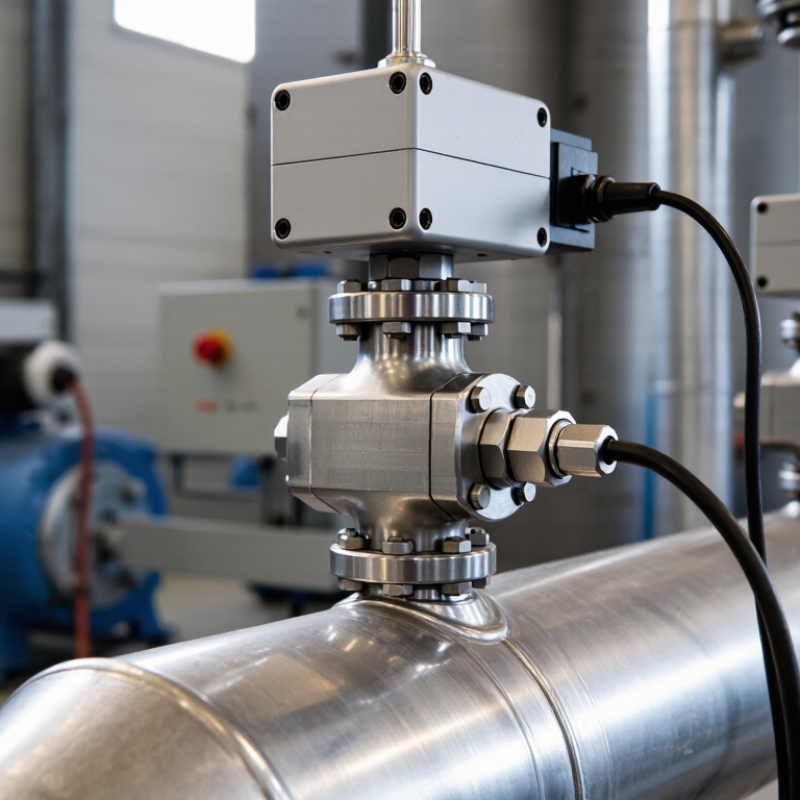
What Process Gas Solenoid Valves Are and How They Operate
A process gas solenoid valve uses an electrical signal to control gas flow through a pipeline. Inside, a coil surrounds a movable metal plunger, while a spring presses the plunger against a sealing surface. When current energizes the coil, its magnetic field lifts or shifts the plunger. The motion is quick. Gas can then pass through the opened passage, or flow can stop, depending on the valve design. When power is removed, the spring typically returns the plunger to its resting position.
Direct-acting valves move the sealing element themselves and can work with little or no pressure difference. Pilot-operated models use gas pressure to assist opening, so they usually need a minimum differential pressure. That detail matters. Engineers check operating pressure, flow rate, response time, temperature, and whether the seal materials suit the specific gas. A nominally correct connection size does not guarantee suitable flow. One point is easy to overlook: a valve may look correctly sized on paper, yet respond poorly at low differential pressure. Installation orientation and clean, dry piping can also affect operation. Still, a datasheet cannot replace checking the actual operating conditions; assumptions made during selection sometimes need a second look.
Key Performance and Safety Requirements for Process Gas Valves
Process gas solenoid valves must match the actual gas, pressure range, temperature, and duty cycle. A valve that works on a clean test bench may behave differently in a warm cabinet or a line with pressure fluctuations. Confirm that wetted materials are compatible with the gas and that seals suit the operating temperature. Small details matter.
Performance depends on more than flow capacity. Check opening and closing times against the process response needed, and confirm the valve’s pressure limits at both inlet and outlet. Test for external leakage and seat leakage using a method suited to the system. Record results under realistic operating conditions, not just at room temperature. No test is perfect.
Safety features should be selected for the process hazard review. Specify the required de-energized position, then verify that the valve reaches it during power loss. Check coil voltage, enclosure protection, and connector security in the intended installation. Clear labeling helps maintenance staff isolate the right line. A practical inspection plan should include seal condition, electrical connections, and response checks. Intervals may need adjustment after real operating experience; assumptions should be revisited when service conditions change.
How to Evaluate Process Gas Solenoid Valve Manufacturers
When evaluating process gas solenoid valve manufacturers, ask for test evidence tied to your actual gas, pressure range, temperature, and duty cycle. A valve tested with air may behave differently with another gas. Check body and seal materials, response time, electrical ratings, leakage limits, and the defined fail position. Request full test conditions, not just a pass mark.
The U.S. Department of Energy’s Improving Compressed Air System Performance sourcebook reports that leaks can waste 20–30% of compressor output. That figure concerns compressed-air systems, not process-gas valves, but it shows why leakage deserves careful attention. Ask whether seat and external leakage were measured separately, and under what pressure and temperature. Useful evidence includes cycle-life results, inspection records, and traceable calibration details.
Then examine the manufacturer’s engineering support and change-control process. Can its team explain how a seal choice affects service life? Can it provide drawings, material certificates, and a clear maintenance interval? Compare like-for-like test data across suppliers; brochure figures alone are weak evidence. A polished datasheet can still omit the conditions that matter most. I would also ask for a sample test report before approval. It takes time, and sometimes the report raises more questions than it answers.
Leading Manufacturers and Their Product Specialties
Top Process Gas Solenoid Valve Manufacturers
Manufacturers in this field often focus on distinct operating conditions rather than making one valve for every gas system. Semiconductor-focused suppliers may offer compact, high-purity designs with polished stainless-steel wetted surfaces and minimal internal dead volume. These details can help limit contamination, but they do not replace proper installation and maintenance.
Other manufacturers emphasize analytical instruments, laboratory equipment, or general process control. Their product ranges may include direct-acting valves for low-flow service, pilot-operated models for higher flow, and options for different pressure ranges. Some specialize in normally closed configurations, while others provide custom coil voltages or connection styles. Small details matter. A connector that fits the cabinet and a seal compatible with the gas can save installation time. Buyers should compare published pressure limits, temperature ranges, leakage specifications, and materials of construction. Ask how each figure was tested; product sheets do not always explain the test conditions clearly. It is also worth checking service access and replacement-part availability. These are easy to overlook, especially when a valve appears interchangeable on a drawing.
Process Gas Solenoid Valve Manufacturers: Product-Specialty Context
Molecular mass of common process gases (g/mol), a useful reference when considering gas-flow requirements.
Molecular mass is one factor in gas-flow calculations. Solenoid valve selection also depends on gas compatibility, operating pressure and temperature, flow rate, and required cleanliness. Values shown are standard molecular masses.
Comparing Manufacturers by Certification, Support, and Reliability
Top Process Gas Solenoid Valve Manufacturers
Comparing manufacturers of process gas solenoid valves takes more than checking product dimensions. Review certifications relevant to the intended application, and verify that certificates cover the specific valve configuration. Ask for material specifications, pressure limits, and test documentation. Traceable records matter when a valve must be assessed or replaced later.
Support can be as important as the hardware. Check whether technical staff can help confirm gas compatibility, advise on installation, and provide replacement parts. Ask about response times and warranty terms before a problem occurs. Reliability claims deserve evidence, such as documented cycle testing and clear operating limits. A polished brochure is not proof. No comparison checklist is perfect, and it is easy to overlook how temperature changes or frequent switching affect service life.
Tips: Request sample test records and confirm the exact model they describe. Compare stated response times with your maintenance needs. Keep one question open: what happens if the valve behaves differently in your system?