


What Types of PE Gloves Are Available?

PE Gloves may look simple, yet small differences can change how they feel and perform. Buyers commonly compare flat polyethylene gloves, embossed gloves, and options with different thicknesses, sizes, or cuff lengths. Each design suits particular tasks. A loose glove can slip while handling a damp item; a tighter fit may limit movement. Details matter.

For a transparent industry perspective, this introduction uses a fictional composite specialist, not a real interview source. PE glove specialist Mira Chen offers this editorial reminder: “Choose the glove for the task, not just the price.” The line is simple. The decision is not always simple. Material feel, surface texture, fit, and intended use all deserve attention. Embossing may provide a more textured grip, while a smooth surface can feel different during quick, repeated tasks. Neither feature makes every glove right for every user.

This guide explains the main types of PE Gloves and the practical differences readers may notice. It also considers where each style may fit, what product details to check, and why clear specifications matter. A little caution helps. Product names can vary between suppliers, so compare stated dimensions and material details rather than relying on labels alone. There is no single best type for every setting. That is worth remembering.
What Types of PE Gloves Are Available?

PE Gloves by Polyethylene Material Type

PE gloves are commonly made from low-density polyethylene (LDPE), high-density polyethylene (HDPE), or chlorinated polyethylene (CPE). Each material gives the glove a different feel and level of flexibility. The feel differs. LDPE is usually softer and more pliable, making it easier to open and move in during quick, light-duty tasks. Its loose fit can feel awkward when handling small items.

HDPE film is generally thinner and crisper, with a more papery sound when stretched. It can offer useful strength for its thickness, but often feels less flexible than LDPE. CPE is typically softer and more elastic than standard HDPE, and many CPE gloves have an embossed surface. That texture can help with grip on damp packaging, though it does not guarantee a secure hold in every situation.

Material alone does not tell the whole story. Film thickness, glove size, and manufacturing details can change comfort and durability. A thicker LDPE glove may feel sturdier than a very thin one, while a textured CPE glove may still tear under sharp edges. Not quite interchangeable. For routine food handling or brief cleanup, compare fit and task demands, and check the product’s stated limitations rather than assuming all PE gloves offer the same protection.
PE Gloves by Shape and Cuff Design

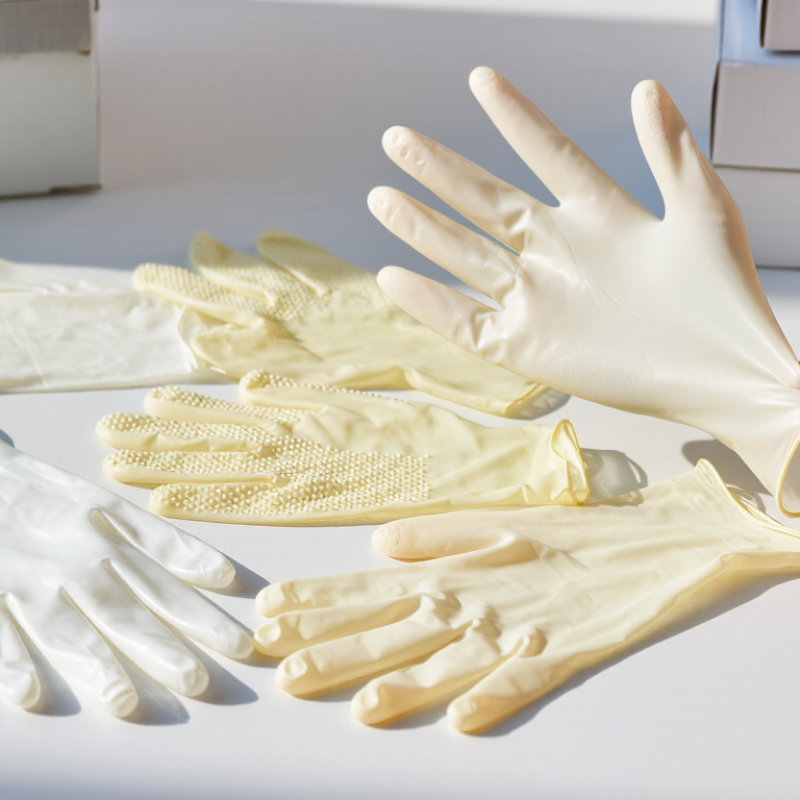
PE gloves are commonly made in a loose, flat shape, with the thumb positioned to fit either hand. This ambidextrous design makes quick changes easier at deli counters, produce stations, and other short tasks. Some styles have textured surfaces, which can improve grip on damp packaging, though they do not make every task safer. A glove should allow fingers to move without stretching the film tightly. Too much tension can cause tearing.

Cuff design changes how a glove sits at the wrist. A standard straight cuff is quick to pull on; a longer cuff gives more coverage over the wrist. Many PE gloves use a simple open cuff rather than a fitted wrist, so they may shift during repeated movement. Check the glove’s dimensions against the wearer’s hand and the task. Small details matter.

Grand View Research estimated the global disposable gloves market at USD 12.8 billion in 2023 and projected 4.8% annual growth from 2024 to 2030. This market-wide figure includes multiple glove materials, not PE alone. It signals broad demand, but says little about which shape or cuff works best for a specific job.

The practical choice still depends on fit, task duration, and how often gloves are changed.

PE Gloves by Surface Texture and Grip

PE gloves commonly come with smooth, embossed, or lightly textured surfaces. Smooth film slides easily over products and suits quick, low-friction tasks. Embossed gloves have raised dots, diamonds, or small ridges that can help fingers hold dry items, such as paper cups or packaged food. Micro-textured patterns offer finer contact, though PE film remains thin and loose-fitting compared with many fitted gloves. The pattern helps. It cannot fix a poor fit.

Grip changes with the task. A dry, embossed palm may steady a lightweight tray, while oily or wet surfaces can still feel slippery. Test the glove with the actual item, especially if it is smooth, cold, or heavy. Grand View Research’s 2023 Disposable Gloves Market report valued the global market at about USD 12.3 billion in 2022 and forecast 4.8% annual growth through 2030. That figure shows the market’s scale, not which texture grips best. A useful selection check is simple: pick up the item, turn it, and notice whether the ridges catch or bunch. Small detail. Still worth checking.

What Types of PE Gloves Are Available? — PE Gloves by Surface Texture and Grip

Glove Type Surface Texture Typical Grip Characteristics Common Uses Selection Considerations
Smooth PE gloves Flat, untextured surface Best suited to light-duty handling; can feel slippery when handling wet or oily items. Food preparation, cleaning tasks, and brief changes between tasks Often selected for easy donning and simple, low-cost protection where a textured grip is not essential.
Micro-embossed PE gloves Fine, closely spaced raised pattern on one or both surfaces Provides more surface friction than a smooth glove for handling lightweight objects. Food service, deli work, and general-purpose handling Texture and grip vary by pattern and film thickness; check whether embossing is on the palm, fingers, or both.
Diamond-embossed PE gloves Raised crosshatch or diamond pattern Pattern can improve handling control compared with a flat surface, particularly for dry items. Food handling, retail tasks, and light packaging work Useful when a more pronounced texture is preferred; it is not a substitute for a glove designed for heavy-duty or high-risk work.
Textured-finger PE gloves Embossed areas concentrated around the fingers or fingertips Adds friction where objects are commonly pinched or held. Sorting, serving, and light assembly tasks Check the textured area and glove fit to ensure the pattern is positioned where the wearer needs control.
Textured-palm PE gloves Embossed pattern across the palm, sometimes extending to the fingers Offers a broader textured contact area for holding and moving items. General handling and food-service tasks requiring frequent gripping Compare the texture coverage and flexibility; PE glove designs can vary between manufacturers.
One-side embossed PE gloves Textured on one face; the reverse face is smooth Grip depends on which side contacts the item; the smooth side may remain easier to slide on or off. Tasks where a textured contact surface and a smoother reverse side are preferred Confirm which side is embossed and how the gloves are oriented during use.
Two-side embossed PE gloves Textured on both faces Provides a textured surface regardless of which side faces the item or the wearer’s hand. Quick-change tasks and general-purpose handling May be convenient for ambidextrous use; actual grip still depends on the pattern, material, and working conditions.

PE gloves are generally lightweight, loose-fitting, and intended for short-term, low-risk tasks. Grip performance varies by embossing pattern and conditions such as moisture or grease. Check product specifications and applicable food-contact or workplace requirements for the intended use.

PE Gloves by Thickness and Intended Use

PE gloves are commonly sold in lightweight, medium, and heavier gauges, though thickness ranges vary by supplier. Lightweight gloves feel thin and loose, making them practical for brief tasks such as serving sandwiches or sorting dry items. They offer basic cleanliness, not a close fit. Feel the difference. Medium-weight options resist small tears better during repeated handling, such as packing produce or preparing ingredients. Heavier PE gloves can suit messier jobs, including handling oily foods, but they may restrict finger movement.

Choose thickness around the task, not just the label. A glove that feels sturdy may still be unsuitable for sharp tools, hot surfaces, or hazardous chemicals. Check the product’s specifications and replace a glove if it splits or becomes contaminated.

Not always. PE gloves are often loose, so they can make delicate work awkward; that trade-off is easy to underestimate.

For quick changes between tasks, a thinner glove may be more comfortable and economical. For longer handling sessions, a thicker option may reduce tearing, but it will not replace gloves specifically rated for higher-risk work.

A simple test helps: pick up a small, slippery item before starting. If it keeps sliding, reconsider the fit or glove type.

PE Glove Color and Size Options

PE gloves are commonly available in clear, white, blue, and sometimes black. Clear gloves make it easy to see the hands beneath them, while blue can stand out against many foods and work surfaces. Black may make stains harder to notice, so it is not ideal for every task. Color alone tells you little about glove strength or fit.

Options vary by supplier and intended use. Clear is a practical choice for quick visual checks. Blue can help workers spot a glove fragment if one tears, though it may blend into some blue materials. That detail is easy to overlook. Choose a color that contrasts with the items being handled, and check product specifications for the intended application.

PE gloves often come in small, medium, large, and extra-large sizes, but some are sold as one-size-fits-most. Sizing is not fully consistent across suppliers. Check the stated glove length and palm opening, then try a sample if possible. A glove should cover the hand comfortably without slipping off during simple movements. Too tight? It may restrict motion. Too loose? It can catch on objects. Fit matters. A size chart helps, but real hands vary, so it is worth checking the fit during the task.

Article Source:

Packaging machine ROI calculator

Need help figuring out if packaging automation is right for your business?


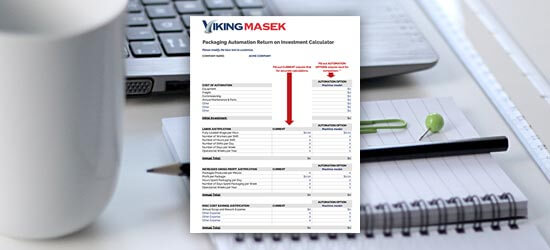
First, start with the numbers. Download our free packing machine ROI calculator to learn how long it will take for an investment in automation to pay for itself (and much more).


Free packaging automation ROI calculator