Why Are Shipping Containers So Expensive?
Why Are Shipping Containers So Expensive? The price can seem surprising when a container looks like a simple steel box. But the price tag reflects more than its corrugated walls. A buyer is paying for steel, factory labor, transport, inspection, and delivery to a usable location. Shipping analyst John McCown’s market analysis points to a central factor: container prices respond to supply and demand across the shipping industry. That balance can shift quickly. A surge in cargo, factory slowdowns, or a shortage of available equipment may push prices upward. When demand eases, prices can fall, though not always where buyers need the boxes.
Details matter. A new, wind- and water-resistant container usually costs more than a used unit with dents, worn flooring, or repaired door seals. Size, condition, location, and delivery distance also change the final bill. Picture a container sitting at a depot several hundred miles from your site. The listed price may look manageable, until trucking and placement are added. Not just steel. Availability and logistics count, too.
This guide examines the main reasons Shipping Container prices rise, what buyers are actually paying for, and how new and used units compare. It also considers market timing, inspection, and delivery costs before purchase. No single price fits every buyer. Quotes can vary by region and date, and a low price may hide repairs or transport fees. Check the condition in person when possible. Ask for a written quote with delivery, taxes, and any modifications listed separately. Small details can change the total. That is worth remembering.
What Types of Shipping Containers Are Sold?
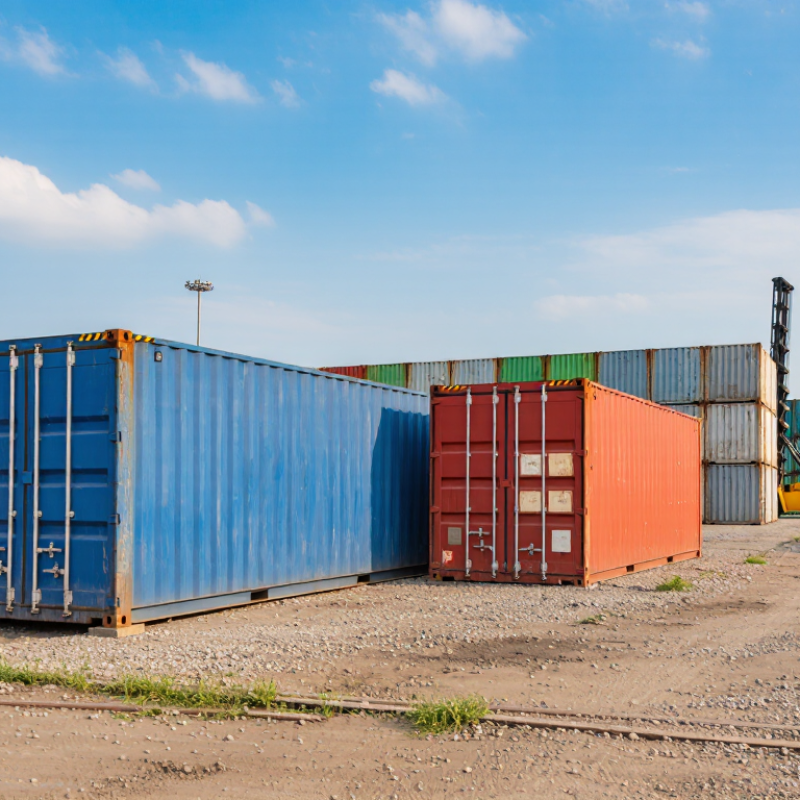
Shipping containers are sold in several practical types, and the right choice depends on what must fit inside. Standard dry containers are enclosed, weather-resistant units used for general storage and freight. They commonly come in 20-foot and 40-foot lengths. High-cube models add about a foot of interior height, useful for tall equipment or bulky, lightweight goods. That extra space can matter.
Refrigerated containers, often called reefers, control temperature with powered cooling equipment. Buyers should check the unit’s operating history, seals, and power requirements; a cold-looking exterior proves little. Open-top containers have removable roof covers for loading tall cargo from above. Flat racks have open sides and ends, making them suitable for oversized machinery, though securing loads takes care. Side-opening models provide wider access than standard doors, which helps when placing long items. Tank containers carry liquids in a purpose-built vessel within a protective frame.
Listings may also describe containers as new, used, or refurbished, but those labels are not always consistent. Inspect floorboards, door movement, roof dents, and visible rust before buying. I would not assume a cheaper unit is a bargain until delivery and repair costs are included. The terminology can be confusing, and sometimes the listing leaves out the detail you actually need.
Which Materials and Manufacturing Steps Drive Their Cost?
A shipping container’s price begins with its steel, but not just any thin sheet will do. Most standard units use weather-resistant steel, formed into corrugated wall panels that resist flexing during lifting and transport. The corner posts and heavy floor frame also need to carry concentrated loads. That takes material.
Flooring adds another cost. Many containers use treated plywood or similar engineered panels, secured over steel crossmembers. The exact material can vary by design and supplier. Doors need strong hinges, locking bars, and seals; small fittings add up across a full unit. A rough panel or poorly aligned door can create trouble later, so cutting corners is not always a saving.
Manufacturing costs come from turning flat steel into a rigid, weather-resistant structure. Sheets are cut, corrugated, positioned, and welded to the frame. Workers then fit the doors and floor, apply protective coatings, and inspect welds, dimensions, and door operation. Coating and quality checks take time, and skilled labor and energy are part of the price. Steel-market changes can shift costs too, though they do not explain every price difference. It is tempting to blame one expensive material, but production efficiency, specifications, and availability matter as well. I would not treat every container as identical; condition and construction details can be easy to overlook.
How Do Size, Condition, and Features Affect the Price?
A shipping container’s price starts with its size. A standard 20-foot unit usually costs less than a 40-foot unit, but size alone does not tell the whole story. A larger container may offer better value per cubic foot if your site can accommodate it. Measure the delivery route, gate, and placement area before comparing quotes. A low price is less useful if the truck cannot reach the spot.
Condition can change the cost considerably. A new or “one-trip” container often has cleaner floors, fewer dents, and tighter doors. Used units may show rust, patched panels, or stiff locking bars. Those marks are not always serious, but inspect the roof, corners, and door seals closely. Small leaks can damage stored goods. Ask for recent photos, and confirm whether the quoted condition is guaranteed. Photos can miss things.
Features also add to the bill. Extra doors, insulation, vents, windows, or modified access can make a container more practical, yet each change may involve materials and labor. Delivery and unloading are separate price factors in many quotes; distance, site access, and equipment needs matter. I would compare the full delivered cost, not just the unit price. One detail is easy to overlook: a “ready to use” description can mean different things to different sellers. Verify what is included in writing.
How Do Transport, Storage, and Regional Supply Add to the Cost?
A shipping container’s purchase price is only part of its cost. Transport can add a large share, especially when the container is far from the buyer. A truck may need a chassis, lifting equipment, and a return journey. Distance matters. If the delivery site has a narrow entrance or soft ground, unloading may require extra planning or equipment. Port and rail transfers can also add handling charges and waiting time.
Storage costs depend on how long the container stays in a depot and what services it needs. Daily fees may apply while it waits for inspection, cleaning, or repairs. A unit with damaged flooring or stiff doors can take longer to prepare. Congested depots may create delays, and those delays can be hard to predict. An estimate may not capture every day of waiting.
Regional supply changes prices, too. Areas with many available containers often have more choice and shorter delivery routes. In remote areas, suppliers may need to reposition empty units, raising transport costs. Seasonal demand and local construction activity can tighten supply quickly. Quotes are not always easy to compare: one may include delivery and unloading, while another lists them separately. Check the container’s condition, delivery distance, storage terms, and included services before judging the price.
Why Do Market Demand and Container Availability Cause Price Swings?
Container prices move with demand, but empty-box availability often decides how sharply they move. When exporters need boxes faster than ports and depots can return them, buyers pay more for equipment in the right place. A container sitting idle in one region cannot help a factory facing a deadline elsewhere. Small imbalances matter.
Drewry’s World Container Index recorded an average spot freight rate of about $10,377 per 40-foot container in September 2021, then fell sharply as congestion eased and capacity became less scarce. This index tracks shipping rates, not container sale prices, so it is a signal of market pressure, not a direct price quote. Still, it shows how quickly tight capacity can change purchasing decisions. UNCTAD’s Review of Maritime Transport 2021 also described severe port congestion and equipment shortages during the shipping disruption. Buyers should compare local availability, condition, and delivery cost—not just the advertised unit price. I have seen this overlooked. A cheap box far from the loading site can become the expensive option after trucking and waiting time are counted. Even so, forecasts are imperfect: demand can cool while empty containers remain stranded in the wrong ports.