


Why Choose Steel Grating for Industrial Flooring?

Why Choose Steel Grating for Industrial Flooring?

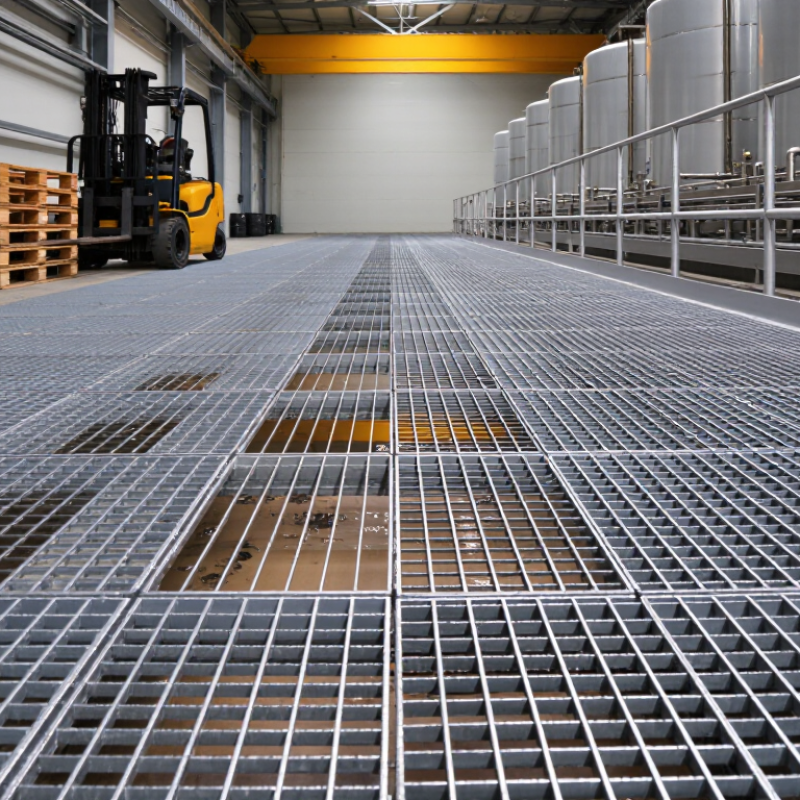
Industrial floors face constant punishment from forklifts, oil drips, heavy pallets, and wet boots. Steel Grating offers a practical response. Its open design creates immediate drainage and allows air to circulate beneath walking surfaces. That matters around pumps, tanks, processing lines, and maintenance platforms.

The World Steel Association reported approximately 1.89 billion tonnes of crude steel production worldwide in 2023. This scale reflects steel’s established supply chain and industrial importance. Edwin Basson, Director General of worldsteel, has described steel as “the backbone of modern society.” His statement supports a wider point: reliable infrastructure depends on materials with proven performance.

Steel Grating is not automatically safe. Details matter. Surface finish, load rating, span, bar spacing, and installation quality directly affect performance. The U.S. Occupational Safety and Health Administration identifies walking-working surfaces as a major workplace safety concern. Its requirements emphasize structural integrity, safe access, and hazard control. A poorly specified panel can create deflection, vibration, or a trip edge.

Field experience also reveals an inconvenient truth. Corrosion protection may be ignored during budget planning. Galvanized grating usually performs well, but aggressive chemicals still demand careful material selection. Engineers should review the environment, maintenance schedule, and expected traffic before approval.

When correctly specified, Steel Grating combines strength, drainage, visibility, and relatively low maintenance. It can reduce standing water beneath boots and expose leaks sooner. These advantages are measurable. They are not universal. Project conditions must decide the final design.
Why Choose Steel Grating for Industrial Flooring?

What Is Steel Grating and How Is It Used in Industrial Flooring?

Steel grating is a load-bearing panel made from parallel steel bars joined by cross members. The open design creates a strong walking surface with less material than a solid plate. Common surfaces include plain, serrated, and galvanized finishes. Serrated bars improve grip where water, oil, or dust may collect.

In industrial flooring, these panels form walkways, platforms, stair treads, drainage covers, and maintenance decks. Workers can see hazards below while light, air, and water pass through. This helps reduce standing liquid around processing equipment. Engineers select bar size, spacing, span, and support direction according to load calculations. They also check foot traffic, rolling loads, corrosion exposure, and local safety requirements. A panel may look rigid, yet poor support spacing can cause vibration or deflection.

On site, accurate measurements matter. I have seen a small opening error delay installation because panels needed cutting and edge protection. That mistake was avoidable. It also showed why drawings should be checked against actual beams before fabrication. Galvanized steel suits many damp areas, while coated or stainless options may suit harsher environments. Steel grating is not maintenance-free. Inspectors should watch for loose fasteners, damaged welds, rust, and slippery buildup. Small wheels may feel unstable on open panels, so this limitation deserves attention before selecting grating for every floor zone.
How Steel Grating Supports Safety, Strength, and Workplace Efficiency

Why Choose Steel Grating for Industrial Flooring?

How Steel Grating Supports Safety, Strength, and Workplace Efficiency

In industrial facilities, every floor surface faces impact, moisture, and constant foot traffic. Steel grating handles these demands with a strong, open structure. Its load-bearing bars support workers, carts, and equipment when properly selected for the span and weight. Engineers should verify loading calculations before installation. Guesswork has no place under heavy machinery.

The open surface allows water, oil, dust, and small debris to pass below the walking area. This can reduce slippery patches around wash-down zones and processing lines. Serrated top surfaces offer additional traction, especially near wet equipment. Still, no grating removes every hazard. Spills require prompt cleaning, and damaged panels need immediate inspection.

Steel grating also improves workplace efficiency by admitting daylight and airflow between levels. Maintenance teams can see pipes, cables, and drainage channels without removing solid flooring. A technician may notice a loose fitting from above. That small detail can prevent a larger interruption. Properly fitted panels reduce movement and noise underfoot. Poor installation can create both.

Selecting the right material, finish, bar spacing, and support layout requires site experience. Regular checks should examine corrosion, welds, fasteners, and deflection. Conditions change over time. A floor that worked well during commissioning may need review after production expands. Safety depends on the whole system, not the grating alone.

Why Choose Steel Grating for Industrial Flooring?

The chart shows the calculated open area of steel grating using a 5 mm bearing bar width at common bearing-bar pitches. Greater open area allows water, oil, debris, and light to pass through, helping reduce surface accumulation and support safer, more efficient industrial work areas. Actual load capacity must be verified according to bar size, span, support conditions, and applicable design standards.

Which Steel Grating Designs Suit Different Industrial Environments?

Industrial flooring should match the hazard, not merely the load. Welded bar grating suits factories needing high strength, open drainage, and simple maintenance. Its crossbars create a stable platform around pumps, conveyors, and service trenches. For oily or wet areas, serrated bearing bars provide better traction under work boots. They are not magic, though. Mud and grease can still reduce grip.

Press-locked grating offers clean lines and flexible panel layouts. It works well in inspection platforms, mezzanines, and light industrial corridors. Close-mesh designs help prevent small tools from falling onto workers below. Heavy-duty grating is more suitable for forklift routes and maintenance bays, but engineers must verify span, deflection, and wheel loads. ISO 14122-2 provides guidance for permanent access platforms and walkways, while OSHA 1910.22 requires walking surfaces to remain clean, orderly, and sanitary.

Corrosive environments need more than thicker steel. Galvanized grating can support outdoor platforms and wastewater areas, while stainless steel is better suited to aggressive chemicals or frequent washdowns. The NACE IMPACT study estimated global corrosion costs at about 3.4% of worldwide GDP, showing why coating selection deserves serious attention. The World Steel Association reported roughly 1.89 billion tonnes of crude steel production in 2023, supporting a mature supply base. Still, standard spacing is often chosen too quickly. Site drainage, barefoot exposure, dropped-object risks, and cleaning tools should be reviewed before approval.

Why Choose Steel Grating for Industrial Flooring? - Which Steel Grating Designs Suit Different Industrial Environments?

Industrial Environment Recommended Grating Design Typical Material or Finish Key Performance Requirements Typical Applications Main Selection Considerations
Dry manufacturing areas Plain welded steel grating with rectangular openings Carbon steel, commonly hot-dip galvanized for general corrosion protection Structural strength, ventilation, light transmission, and easy installation Factory walkways, platforms, mezzanines, and equipment access areas Check span, support spacing, concentrated loads, and opening size before ordering
Wet and washdown zones Serrated load bars with open drainage pattern Hot-dip galvanized carbon steel or stainless steel where exposure is severe Slip resistance, rapid drainage, corrosion resistance, and cleanability Food-processing support areas, utility rooms, wash bays, and pump stations Select serration depth and surface finish according to footwear, contamination, and cleaning methods
Oil, grease, and lubricated machinery areas Serrated steel grating with close or moderate openings Galvanized carbon steel; stainless steel for chemically aggressive conditions High slip resistance, load capacity, drainage, and resistance to mechanical wear Machine platforms, compressor rooms, maintenance walkways, and service decks Avoid openings that are too large for small tools, heels, wheels, or maintenance equipment
Chemical processing areas Heavy-duty welded grating with serrated bars and corrosion-resistant finish Stainless steel or a specified protective coating selected for the chemicals present Chemical compatibility, structural capacity, slip resistance, and low maintenance Process platforms, tank access areas, chemical plants, and treatment facilities Verify resistance to the actual chemical concentration, temperature, and exposure duration
Coastal, marine, and high-humidity locations Welded or press-locked grating with corrosion-resistant construction Stainless steel or hot-dip galvanized steel with suitable additional protection Resistance to salt-laden moisture, drainage, structural stability, and secure fixing Marine terminals, offshore support structures, docks, and coastal utilities Consider chloride exposure, cut-edge protection, dissimilar-metal contact, and inspection access
Areas used by carts, pallet trucks, or small vehicles Heavy-duty welded grating with reinforced load bars and reduced opening size Structural carbon steel, usually galvanized or coated according to the environment High point-load capacity, limited deflection, impact resistance, and secure anchoring Loading platforms, warehouse access decks, service ramps, and industrial bridges Design for wheel loads and dynamic effects rather than relying only on uniform load ratings
Areas handling small parts or tools Close-mesh grating or grating with a smaller clear opening Galvanized carbon steel or stainless steel Prevention of dropped objects while retaining drainage and ventilation Maintenance platforms, production lines, elevated workstations, and tool areas Balance object-retention needs with airflow, cleaning requirements, and available natural light
Pedestrian stairs and inclined walkways Serrated stair treads with nosing and anti-slip edge Galvanized carbon steel or stainless steel for corrosive environments Foot traction, visible tread edge, drainage, and secure attachment to stair stringers Industrial stairs, emergency access routes, ladders, and elevated walkways Confirm tread dimensions, nosing visibility, handrail requirements, and applicable local codes
Engineering note: Actual grating selection should be verified against the required span, load type, allowable deflection, support condition, opening limitation, corrosion exposure, and applicable safety standards. Load capacity varies with bearing-bar size, spacing, span, and connection details.

What Factors Should Guide Steel Grating Selection and Installation?

Steel grating suits industrial flooring because it combines load capacity, drainage, ventilation, and visual access. Yet selection should begin with site conditions, not appearance. OSHA 29 CFR 1910.22 requires walking-working surfaces to support their maximum intended load and remain clean and orderly. HSE workplace statistics for 2022/23 recorded slips, trips, and falls on the same level as 29% of specified injuries. That figure makes surface texture and housekeeping practical design issues, not decorative choices. Small details matter.

Engineers should verify span, uniform load, concentrated wheel loads, deflection, and support spacing. Grating near pumps may need corrosion-resistant steel or a protective finish. Wet areas need serrated surfaces and openings that drain without trapping debris. Openings must also suit the site’s safety rules and prevent tools from dropping onto lower levels. A forklift route is not a pedestrian walkway. Treat them differently.

Installation quality can decide whether a sound design performs safely. Check bearing lengths against the stamped drawings, secure every panel, and inspect welds or mechanical fasteners after positioning. OSHA guidance supports maintaining clear, stable access routes during work. In practice, I have seen drawings that ignored pipe removal space and later forced awkward cutting. That was avoidable. Thermal movement, uneven supports, and future maintenance deserve review before fabrication. A perfect calculation is not a perfect installation. Recheck the real site.

How to Maintain Steel Grating for Long-Term Flooring Performance?

Why Choose Steel Grating for Industrial Flooring?

Steel grating offers strong load support while allowing light, air, and water to pass through. Its open design can reduce standing water around processing areas. However, durable flooring still depends on consistent maintenance. In industrial areas, dust, oil, metal chips, and moisture can collect beneath the panels. That small buildup can hide corrosion or create slip hazards. Keep it clear.

Walk the floor regularly and inspect bearing bars, crossbars, welds, and support clips. Look for bent sections, loose fasteners, cracked welds, and unusual surface rust. Pay close attention to corners near drains and equipment bases. These areas often stay damp longer than expected.

Remove debris with a suitable brush or vacuum, then clean oily residue with an approved industrial cleaner. Avoid aggressive chemicals that may damage protective coatings.

Check drainage paths after heavy washing or rainfall. Water should leave the grating without pooling below it. If puddles remain, investigate blocked drains, uneven supports, or settled foundations.

Repair damaged panels before heavy traffic continues. Use replacement sections with matching load ratings and dimensions. A temporary patch may appear practical, but it can create uneven loading.

I have seen small maintenance delays become expensive repairs. No inspection is perfect. Record findings with dates, photographs, and clear repair priorities. Review the schedule when production, weather, or floor usage changes.

Packaging machine ROI calculator

Need help figuring out if packaging automation is right for your business?


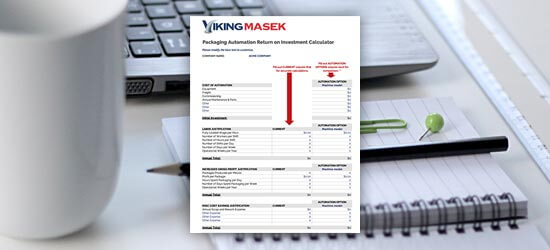
First, start with the numbers. Download our free packing machine ROI calculator to learn how long it will take for an investment in automation to pay for itself (and much more).


Free packaging automation ROI calculator