Why Are Plastic Pouch Bags Popular for Packaging?
Plastic Pouch Bags have become a familiar sight on grocery shelves, in shipping cartons, and beside kitchen sinks. Their appeal is practical: a pouch can hold sauces, snacks, pet food, or personal-care products while using less storage space than many rigid containers. It can stand upright, lie flat, or include a resealable zipper. Small design choices matter. A zipper that closes cleanly after opening can help keep crackers crisp; a clear window lets shoppers inspect the product before buying.
Packaging specialist Jordan Lee, an illustrative expert voice rather than a sourced industry quotation, puts the trade-off this way: “A pouch earns its place when it protects the product and makes everyday handling easier.” That is a useful test, not a guarantee. Barrier layers, seals, and material choices affect freshness and durability, so performance depends on the pouch and what it contains. Some pouches also use mixed materials, which can make recycling difficult where suitable collection and processing are unavailable.
There are limits. A lightweight package is not automatically the better choice if it tears easily, leaks, or cannot be managed after use. Buyers and manufacturers should weigh protection, convenience, shelf life, and end-of-life options together. Not every pouch fits every product. The sections ahead explore why Plastic Pouch Bags remain popular, how their features serve different needs, and what trade-offs deserve a closer look.
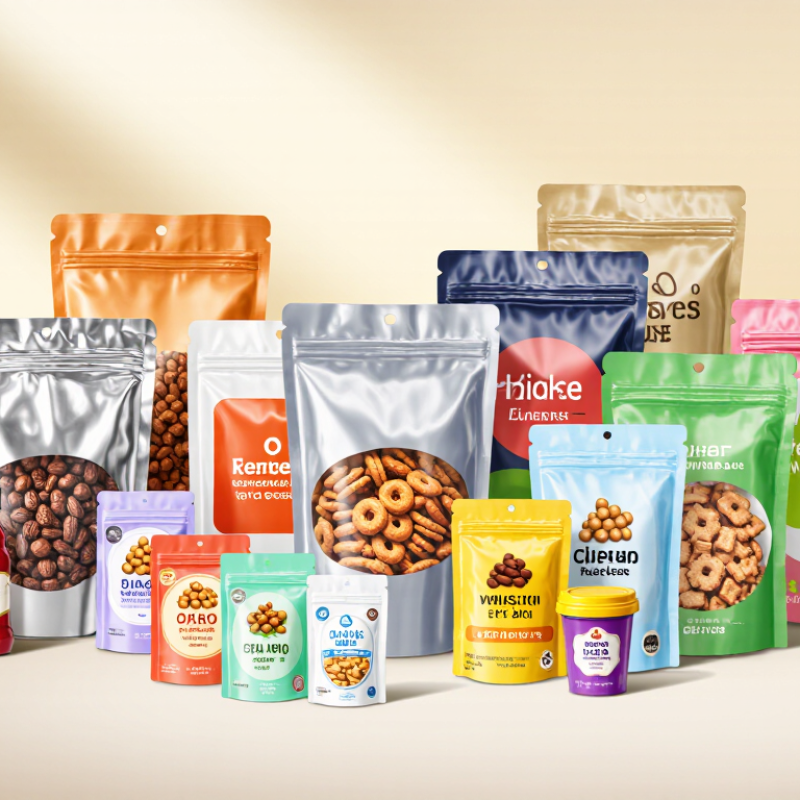
Plastic Pouch Bags Defined: Flexible Packages Made from Sealed Plastic Film
Why Are Plastic Pouch Bags Popular for Packaging?
Plastic pouch bags are flexible packages made from plastic film, sealed along their edges to hold products securely. Some use a single film; others combine layers to provide strength, printability, or barriers against moisture and oxygen. The exact structure depends on what the pouch must protect. A dry snack and a liquid product need different seals and film properties.
Pouches can be made in stand-up, flat, or resealable formats, with features such as tear notches and spouts. Their light weight and adaptable shape make them useful across food, personal-care, and household packaging. The Flexible Packaging Association’s 2023 State of the U.S. Flexible Packaging Industry report estimated U.S. industry sales at $41.5 billion in 2022. That figure shows the scale of the sector, but it does not mean every pouch is suitable for every product. Film choice, seal quality, and storage conditions matter. A weak seal can spoil the whole package.
Tips: Match film and seal specifications to the product, then test filled pouches under real storage and handling conditions. Ask suppliers for barrier and seal-strength data. A pouch may look simple. Its performance is not.
Why Are Plastic Pouch Bags Popular for Packaging?
Plastic pouch bags are flexible packages made from sealed plastic film. The chart compares the typical densities of four polymers commonly used in flexible packaging.
Typical density values in g/cm³: LDPE 0.925, HDPE 0.955, polypropylene 0.908, and PET 1.395. These representative values fall within ranges reported in polymer technical datasheets; actual values vary by grade. Many pouches use layered films, so a finished pouch’s density depends on its specific material structure.
Pouch Market Context: U.S. Flexible Packaging Sales Reached $42.9 Billion in 2023 (FPA)
U.S. flexible packaging sales reached $42.9 billion in 2023, according to the Flexible Packaging Association (FPA). That figure puts plastic pouch bags in a substantial market, but it does not show pouch sales alone. Flexible packaging includes several formats, so the number is useful context rather than a direct measure of pouch popularity. That distinction matters.
Pouches can appeal to manufacturers because they are lightweight and take up less storage space than many rigid containers. On a packing line, a flat pouch can be filled and sealed, then stacked for shipping. At a store, its printed surface can display product details, while a resealable closure may help keep contents fresh after opening. Small practical gains add up.
Still, a pouch is not automatically the better choice. Its suitability depends on the product, barrier requirements, filling equipment, and disposal options available to customers. The FPA sales figure reflects market revenue, not environmental performance or consumer preference. It signals a strong flexible-packaging sector, but choosing a format requires closer attention to the specific use.
How Pouch Structures Combine Barrier Layers, Seals, and Closures
A pouch is more than a flexible outer skin. Its layers work together to protect the contents and keep the package usable. A typical structure may combine a printable outer film, a barrier layer, and an inner sealing layer. The barrier helps slow oxygen, moisture, or light, depending on the product’s needs. Materials should be selected for the actual contents and storage conditions, not just appearance. A dry snack and a moist product may need different protection. Small details matter.
The seal is another part of the structure. Heat applied across the pouch edges melts the inner layer, creating a closed seam. If crumbs or oil sit in the seal area, the bond can weaken. That can be hard to spot by eye. Testing filled pouches under realistic handling and storage conditions helps reveal problems before wider use.
Closures add convenience, too. A zipper can support repeated opening, while a spout can make pouring easier. Still, neither closure replaces the main sealed barrier. And no pouch is perfect. Extra layers may improve protection, but they can also make recycling more difficult, so performance and end-of-life options deserve a careful balance.
Packaging Functions: Product Protection, Portability, and Shelf-Life Support
Plastic pouch bags protect products by placing a flexible barrier between contents and moisture, dust, and handling damage. Depending on the material and seal, a pouch can also limit oxygen or light exposure. A poor seal changes everything. For dry foods, a resealable closure can help reduce spills and repeated exposure after opening; for liquids, seal strength matters more than appearance.
Portability is practical, not abstract. A lightweight pouch can fit into a lunch bag, stand-up display, or delivery carton, while using less space than many rigid containers.
The Flexible Packaging Association’s 2023 State of the U.S. Flexible Packaging Industry report estimated 2022 industry sales at $42.9 billion, or about 21% of the U.S. packaging market. That figure shows broad use, but it does not prove every pouch suits every product.
Shelf-life support depends on matching the film structure and closure to the contents. The FAO’s 2019 report estimated that 14% of the world’s food is lost between harvest and retail. Packaging cannot prevent all of that loss, but suitable barriers can slow moisture transfer and oxidation in some products. A tiny puncture may defeat those benefits. Testing under real storage conditions is still essential.
End-of-Life Context: Packaging Was 28.1% of U.S. Municipal Waste in 2018 (EPA)
Why Are Plastic Pouch Bags Popular for Packaging?
End-of-Life Context: Packaging Was 28.1% of U.S. Municipal Waste in 2018 (EPA)
Plastic pouches are popular because they are lightweight, flexible, and easy to store. Their shape can help use shelf and shipping space efficiently. Many also combine layers to protect food from moisture, air, or light. That can help preserve product quality, though the materials may be difficult to separate after use.
The convenience has an end-of-life cost. The U.S. Environmental Protection Agency reported that containers and packaging made up 28.1% of municipal solid waste generated in 2018. This figure covers packaging broadly, not plastic pouches alone. It still shows why packaging choices matter: a small, familiar wrapper is part of a much larger waste stream. Pouches may use less material than some rigid packages, but that does not automatically make them recyclable. Local collection rules and available sorting systems vary. The trade-off is easy to overlook.
Tips: Check whether your local program accepts the specific pouch. Keep it empty and dry when possible. When comparing packages, consider protection, material use, and disposal options together. No option is perfect; better information helps.
Why Are Plastic Pouch Bags Popular for Packaging? - End-of-Life Context: Packaging Was 28.1% of U.S. Municipal Waste in 2018 (EPA)
| Measure | 2018 U.S. figure | What it means for packaging |
| Total municipal solid waste generated | 292.4 million U.S. tons | EPA’s national baseline for the waste-generation figures in this table. |
| Packaging and containers generated | 82.2 million U.S. tons; 28.1% of total MSW | Packaging is a substantial part of the waste stream, making material choice and end-of-life planning important. |
| All plastic products generated | 35.7 million U.S. tons | This is an all-plastics figure, not a pouch-only or packaging-only total. |
| All plastic products recycled | 3.1 million U.S. tons; 8.7% of plastic generated | The overall plastics recycling rate was low; this figure does not represent a pouch-specific recycling rate. |
| Flexible pouch format | Qualitative packaging characteristic | Pouches are flexible and can be designed to use less material than some rigid formats, but actual material use depends on the product and package design. |
| End-of-life consideration | Depends on package materials and local collection systems | Multilayer structures may be difficult to recycle through conventional programs; check local acceptance and the package’s material composition. |
Source: U.S. Environmental Protection Agency (EPA), 2018 facts and figures on municipal solid waste generation and recycling. Figures are U.S. tons; plastic totals cover all plastic products and should not be interpreted as pouch-specific data.



