Why Choose an Automatic Packing Machine?
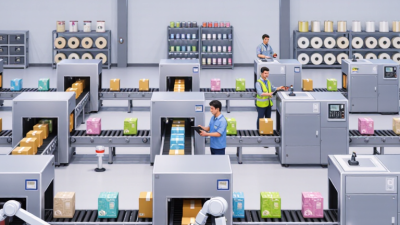
Why choose an Automatic Packing Machine? The answer begins on the production floor, not in a sales brochure. A skilled operator may fill, seal, and label hundreds of packs each hour. Fatigue still affects consistency. A modern Automatic Packing Machine can measure products, control film tension, and create repeatable seals with limited manual handling. This matters when the line runs beside stainless-steel conveyors, barcode scanners, and quality checks. It also creates useful records for audits and process improvement.
Industry research supports this shift, but the evidence requires careful reading. PMMI’s 2024 State of the Industry report identifies labor availability, productivity, and automation as major packaging machinery concerns in North America. The International Federation of Robotics reported 541,302 industrial robots were installed worldwide in 2023. That figure shows broader investment in automated production. Smithers’ packaging forecasts also connect market development with sustainability, e-commerce, and efficiency demands. These reports do not prove that every factory needs the same machine. Context matters.
A suitable system can reduce repetitive work, stabilize output, and support cleaner workflows. It may also reduce material waste when sensors and controls are properly calibrated. Small details count. A loose seal can become a returned shipment. A poor changeover can erase expected savings. Automation is not magic. It requires product testing, operator training, preventive maintenance, and realistic throughput calculations. The right question is not whether machines look impressive. It is whether the selected Automatic Packing Machine fits the product, format, hygiene requirements, workforce, and operating budget. That answer should come from verified trials and transparent data, not confident promises.
How Automatic Packing Machines Work at 40–120 Packs per Minute
Why Choose an Automatic Packing Machine?
How Automatic Packing Machines Work at 40–120 Packs per Minute
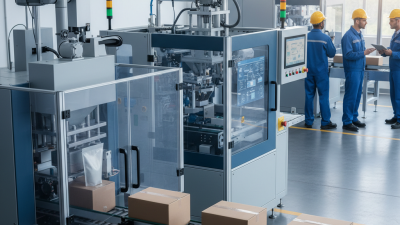
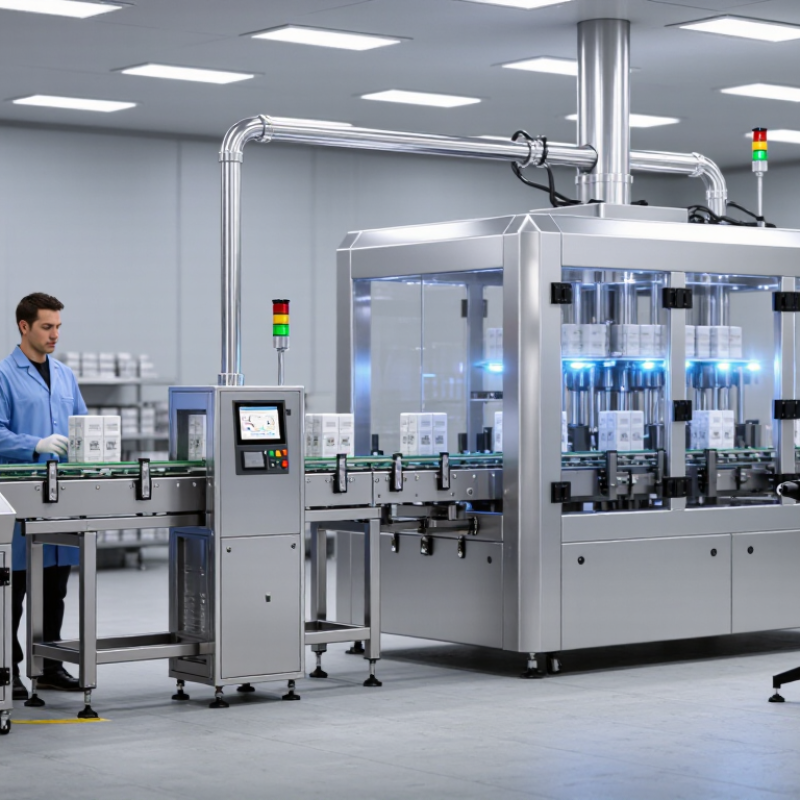
An automatic packing machine moves products through several controlled stages. An infeed conveyor delivers measured portions to the packing area. Sensors check product position, film movement, and sealing timing. A forming tube shapes the packaging material around each portion. Heated jaws then create tight seals, while a cutter separates individual packs. Depending on the product, package size, and material, output can reach 40–120 packs per minute. Faster is not always better. Uneven products may reduce accuracy and create sealing problems.
Modern systems use programmable controls to coordinate feeding, dosing, sealing, and discharge. Operators can adjust temperature, filling time, conveyor speed, and cutting length. In practice, the first setting is rarely perfect. Humidity, product texture, and film thickness can change performance during a shift. A careful operator checks sample packs regularly, weighs them, and inspects seal strength. This hands-on step remains important, even with advanced automation.
Tips:
Match machine speed with product behavior, not only the advertised maximum. Keep sealing surfaces clean and inspect sensors each shift. Test several film types before production. Record settings that produce stable results. Small adjustments matter. A slightly lower speed may deliver better accuracy, fewer damaged packs, and smoother operation. Proper training also reduces setup mistakes and unnecessary material waste.
How ±1% Filling Accuracy Reduces Product Waste and Giveaway
Why Choose an Automatic Packing Machine?
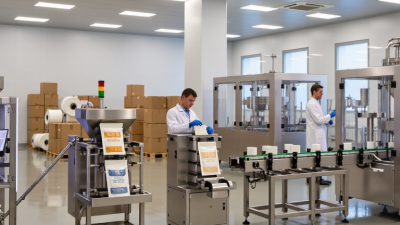
In daily packing operations, small filling errors can quietly become expensive. A target weight of 500 grams may lose several grams per package. Across 10,000 packages, that difference becomes a significant giveaway. An automatic packing machine can maintain filling accuracy within ±1% when properly calibrated and operated. This helps control material costs while keeping package weights consistent. It also reduces repetitive manual adjustments during busy production hours. Accuracy is not magic. Product density, moisture, and flow behavior still affect performance.
Tips: Check the actual filled weight at regular intervals. Use a calibrated scale, record the results, and adjust settings before variation grows. Keep the hopper clean because residue can change product flow. Operators should also inspect seals and package appearance. A correct weight is useful, but a weak seal can still create waste.
From practical production checks, the best results come from combining machine control with human observation. A free-flowing powder may fill differently from a sticky granule, even under identical settings. Testing several batches can reveal this difference early. It is also wise to compare average weight with the permitted tolerance, not only individual packages. Some teams focus heavily on speed and overlook this step. That is where improvement may begin. Regular calibration, clear records, and trained operators make ±1% accuracy more achievable and reliable.
Why Choose an Automatic Packing Machine? - How ±1% Filling Accuracy Reduces Product Waste and Giveaway
| Performance Dimension |
Conventional Filling
(Approx. ±3%) |
Automatic Filling
(±1%) |
Difference |
Business Impact |
| Target fill weight |
1,000 g |
1,000 g |
— |
Same declared quantity |
| Typical filling tolerance |
±30 g |
±10 g |
20 g narrower |
Less variation between packs |
| Assumed average giveaway per pack |
30 g |
10 g |
20 g saved |
Lower product giveaway |
| Production volume used for comparison |
100,000 packs |
100,000 packs |
— |
Equivalent production basis |
| Product given away per 100,000 packs |
3,000 kg |
1,000 kg |
2,000 kg saved |
More saleable product retained |
| Illustrative product cost |
$4.00/kg |
$4.00/kg |
— |
Cost basis for calculation |
| Product cost of giveaway |
$12,000 |
$4,000 |
$8,000 saved |
Direct material-cost reduction |
| Potential additional saleable packs from saved product |
— |
2,000 packs |
+2,000 packs |
Based on a 1,000 g pack size |
| Process consistency |
Operator-dependent |
Sensor-controlled |
More repeatable |
Improved quality control and auditability |
Calculation basis: The comparison assumes a 1,000 g target fill, 100,000 packs, a conventional average giveaway of 3% versus 1% for an automatic filler, and a product cost of $4.00 per kilogram. Actual results vary with product characteristics, equipment settings, packaging format, and operating conditions.
How One Automated Line Can Replace 1–3 Manual Packing Operators
An automatic packing machine can change how a small production team uses its working hours. In many operations, one automated line can perform tasks handled by one to three manual packing operators. It can form cartons, measure products, fill packages, seal them, and print basic production information. The exact saving depends on product size, packing speed, and changeover frequency.
From practical installation experience, the strongest benefit is consistency. Sensors detect missing products, while controlled conveyors keep packages moving at a steady pace. A checkweigher can identify weight differences before cartons reach dispatch. Operators then monitor the line, refill materials, inspect samples, and respond to alarms. Less repetition. That matters during long shifts.
Automation is not a magic replacement for people. A poorly planned layout can create delays beside the machine. Product dust, uneven cartons, or frequent format changes may reduce performance. The first month often reveals problems that a quotation cannot show. Teams should record cycle times, stoppages, rejected packs, and cleaning time before judging results. Training also matters, because an operator who understands sensors and maintenance logs can prevent small faults from becoming extended downtime. A careful assessment may show that one line replaces three positions in one area, but only one position in another. That honest comparison supports safer investment decisions and more reliable production planning.
How OEE, Uptime, and Changeover Time Measure Productivity Gains
Why Choose an Automatic Packing Machine?
How OEE, Uptime, and Changeover Time Measure Productivity Gains
An automatic packing machine can improve productivity, but speed alone proves very little. OEE combines availability, performance, and quality into one practical measure. A line producing 80 packs per minute may appear efficient. However, short stops, rejected seals, and slow feeding can reduce its true output. Operators should record these losses during real production, not rely on ideal settings.
Uptime shows how long the machine actually runs against scheduled production time. Changeover time measures the minutes between the last good pack and the next approved pack. A 25-minute format change may seem acceptable until it happens six times daily. Standardized guides, accessible adjustments, and clear cleaning steps can reduce those lost hours. Still, faster changeovers may create more errors if checks become rushed. That trade-off deserves honest review. Early reports can look too optimistic.
Tips: Track downtime by cause, not only duration. Use a stopwatch during changeovers. Compare planned speed with sustained speed. Review seal quality after every format adjustment. Let operators explain recurring stops; their observations often reveal problems hidden in spreadsheets. Keep targets realistic. A small improvement repeated every shift can outperform one impressive trial.
Why Choose an Automatic Packing Machine?
How OEE, uptime, and changeover time measure productivity gains
This representative, non-brand-specific production dataset shows how automation can raise OEE from 62% to 78%, improve uptime from 84% to 92%, and reduce average changeover time from 45 to 20 minutes. Higher OEE and uptime indicate better asset utilization, while shorter changeovers increase available production time.
How CE, ISO 13849, and Total Cost per Pack Guide Machine Selection
Why Choose an Automatic Packing Machine?
CE marking shows conformity with applicable European safety requirements. It is not a quality award. Before purchase, request the Declaration of Conformity, risk assessment, and technical file references. ISO 13849-1:2023 adds a stronger question: can safety-related control systems achieve the required Performance Level? Guards, interlocks, emergency stops, and reset logic should match the assessed risk. Ask for validation records, not only certificates.
Safety is measurable.
Machine selection should also use total cost per pack. Include purchase price, installation, film, electricity, labor, rejects, cleaning, spare parts, and planned downtime. A 2024 Deloitte smart manufacturing survey found that 92% of manufacturers expect smart operations to remain important for competitiveness within three years. Automation supports that direction, but it does not automatically reduce cost. A poorly tuned machine can waste film beside a full reject bin.
Use production evidence. Record actual packs per minute, changeover time, seal temperature, and reject rates during a factory acceptance test. Compare those figures with the promised output. PMMI industry reports continue to identify labor availability and packaging efficiency as major investment drivers. Yet every factory is different. Sticky products, dusty rooms, or frequent format changes can defeat a simple payback model. I would calculate cost per good pack under normal conditions, then repeat it during the worst shift. The second result is often less comfortable—and more useful.