How to Choose an Automated Packing Machine?

Choosing an Automated Packing Machine is rarely as simple as comparing speed and price. The right system must match the product, package format, production volume, and available floor space. A fragile snack, dusty powder, and heavy hardware each behave differently during filling and sealing. Small details matter. A narrow conveyor can create unexpected bottlenecks. A poorly matched sealing temperature can damage film or produce weak seals.

Practical evaluation should begin with real product trials, not attractive brochure figures. Ask suppliers to test the actual product, packaging material, and target weight. Record output speed, filling accuracy, changeover time, rejected packs, and cleaning requirements. Review the machine’s controls, guarding, spare-part availability, operator training, and service response. Independent certifications and documented quality procedures can strengthen supplier credibility, but they should not replace hands-on inspection.

No machine is perfect. Early estimates are often wrong. A system that performs well for one product may struggle after a recipe change or seasonal volume increase. Experienced buyers therefore examine total ownership costs, including electricity, film waste, maintenance, and downtime. They also speak with current users, inspect finished packs, and question optimistic performance claims. The best decision balances automation with practical reliability. It should support consistent production today while leaving room for sensible future upgrades. Mistakes can still happen, especially when cleaning access or software compatibility receives too little attention. Careful testing exposes those weaknesses before they become expensive operational problems.
How to Choose an Automated Packing Machine?

What Is an Automated Packing Machine?

How to Choose an Automated Packing Machine?

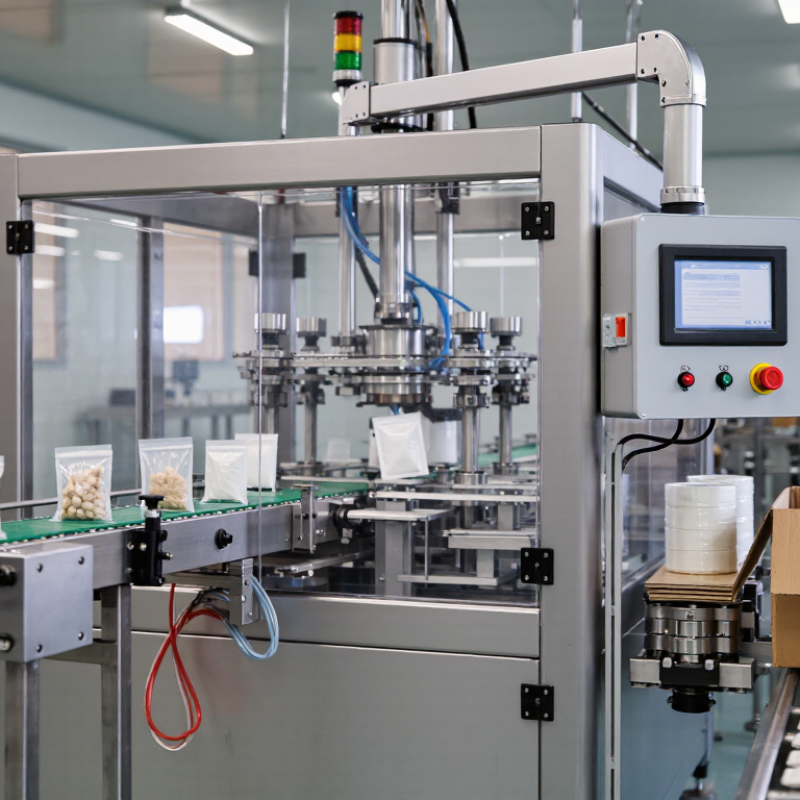
An automated packing machine is equipment that fills, weighs, seals, or labels products with limited manual handling. It combines mechanical parts, sensors, control software, and safety systems. Depending on the model, it may handle bags, cartons, trays, or flexible film.

A typical cycle starts when the machine receives a product. It measures or positions the item, forms the package, and seals it. Sensors check alignment, temperature, and missing products. The sealed pack then moves along a conveyor. That is the basic process.

In a working facility, operators still load materials and inspect finished packages. This human involvement matters. Automation reduces repetitive labor and helps maintain consistent output. However, speed alone does not prove good performance. Poorly adjusted film can create wrinkles, weak seals, or unnecessary waste. Moisture, product variation, and dust may also affect accuracy.

When choosing a machine, check package dimensions, product characteristics, cleaning needs, and available floor space. Ask how quickly settings can change between products. A machine that runs fast may be inconvenient during frequent changeovers. I would also test sample materials before purchasing. This step is often overlooked. The most expensive mistake is selecting equipment that performs well in a demonstration but poorly in daily production.

Which Products and Packaging Formats Does It Support?

Choosing an automated packing machine starts with the product, not the machine’s speed. Powders, granules, liquids, and fragile solids behave differently during filling. Fine powder may create dust around the sealing area. Sticky sauce can leave residue inside dosing parts. Uneven granules may cause inconsistent weights. Product temperature, viscosity, particle size, and flowability should be tested before selection. A fast machine is not useful if it damages products or produces unstable fills.

Tips: Prepare real product samples for testing. Check target weights, filling accuracy, sealing strength, and cleaning time. Review every packaging format, including pillow bags, sachets, stand-up pouches, cartons, and pre-made bags. Film thickness and bag dimensions also affect machine compatibility. Small details matter.

Ask whether the machine supports your preferred sealing method and material structure. Some products need moisture protection, while others require oxygen reduction or light barriers. Confirm the available changeover range before approving the design. Operators should adjust settings without complex tools. Maintenance access matters too. A cramped filling area can turn a minor blockage into a long production delay. I have seen specifications look excellent on paper, yet real products behaved differently during trials. That is worth remembering. Request repeat tests, not just one successful sample. Also examine rejected packages, because they often reveal problems that production samples hide.

How to Evaluate Speed, Accuracy, and Machine Capacity

Choosing an automated packing machine starts with measured output, not the advertised maximum speed. PMMI’s 2024 State of the Industry report places U.S. packaging machinery shipments above $10 billion in 2023. That investment reflects a practical need for stable throughput and reduced labor pressure. Calculate required speed from peak orders, available runtime, and planned maintenance. Then keep a 10–15% capacity buffer. A machine running at its limit often produces more stoppages, heat, and rejected packs. Faster is not always better.

Accuracy requires evidence from real product trials. Measure weight variation, seal integrity, damaged packs, and reject frequency across several production shifts. A checkweigher may show a 0.5% error rate, but that figure can change with product shape, moisture, or temperature. Ask for recorded results, not verbal promises. Capacity also includes hopper volume, film-roll size, conveyor length, and changeover time. A compact machine may reach the target rate, yet require frequent refilling. That hidden labor matters. IFR’s World Robotics 2024 report recorded 541,302 industrial robot installations worldwide in 2023, showing how widely automation is expanding. Still, a report cannot predict your factory’s behavior. Run a trial with your actual packaging materials. I have seen clean demonstrations fail after dust entered the sealing area. Perfect test conditions can mislead. Evaluate average performance, recovery time after jams, and operator adjustments before approving the purchase.

How to Choose an Automated Packing Machine?

Compare typical machine classes by line speed, packing accuracy, and material capacity. The figures represent realistic mid-range operating benchmarks for common automated packing formats and are not associated with any specific company or brand.

Higher speed and capacity improve throughput, while accuracy reflects the percentage of packs meeting the target fill or weight. Actual results vary with product characteristics, pack size, dosing technology, and operating conditions.

What Features Ensure Compatibility and Reliable Operation?

Choosing an automated packing machine starts with compatibility, not speed. A fast machine is useless if it cannot handle your product accurately. Check product dimensions, weight, shape, and surface condition before comparing models. Small differences can affect feeding, sealing, and final pack quality.

Film compatibility also matters. Confirm the machine supports your preferred film material, thickness, width, and sealing temperature. In practical evaluations, adjustable forming shoulders and sealing jaws often improve consistency. Servo-driven motion can support accurate filling and positioning. However, more technology does not always mean better reliability. I once underestimated cleaning access, and routine maintenance became unnecessarily slow. That detail deserves attention.

Sensors should detect empty packs, product jams, film breaks, and incorrect positioning. Clear alarms help operators respond before minor faults become long stoppages. The control panel should offer simple settings, useful records, and password-protected access. Inspect the electrical system, guarding, emergency stops, and documentation against applicable local safety requirements. Reliable operation also depends on spare parts, operator training, and responsive technical support. No machine runs well without these basics.

Tips: Bring real product samples and packaging materials for a factory test. Measure changeover time, noise, cleaning effort, and seal strength. Ask for performance data from similar applications. Leave room for human error; operators may load film incorrectly or skip inspections. A machine that tolerates mistakes can protect production better than one built only for ideal conditions.

How to Compare Costs, Maintenance, and Supplier Support

How to Choose an Automated Packing Machine?

The purchase price is only the visible part of an automated packing machine’s cost. Build a five-year total-cost model covering electricity, film waste, spare parts, labor, training, and production losses. McKinsey reports that predictive maintenance can reduce machine downtime by 30–50% and maintenance costs by 10–40%. Those figures are useful benchmarks, not promises. Your product, shift pattern, and factory conditions may produce different results.

Ask suppliers for measured data from similar applications. Request changeover time, average fault frequency, compressed-air consumption, and expected component life. A machine that changes formats in eight minutes may save more than a cheaper unit requiring thirty minutes. Watch the demonstration carefully. Does the operator reach awkward controls? Can a technician replace a sensor without removing half the guard?

Maintenance support deserves equal attention. Compare response times, remote diagnostics, technician coverage, spare-parts stock, and training hours. PMMI industry research consistently identifies labor availability and equipment reliability as important packaging concerns. A detailed service agreement should define uptime targets and escalation procedures. Avoid vague promises such as “world-class support.” Get them in writing. Also inspect the supplier’s documentation before signing. Poor manuals create hidden labor costs, although buyers often notice this too late. A small pilot run can expose film tracking problems, cleaning delays, and unstable sealing before full production begins.

How to Choose an Automated Packing Machine? - How to Compare Costs, Maintenance, and Supplier Support

Machine Type Typical Purchase Cost
(USD)
Typical Output
(packs or cases/min)
Typical Changeover
Time
Estimated Annual Maintenance
(% of Purchase Cost)
Main Maintenance Requirements Supplier Support to Request Best-Fit Application
Vertical Form-Fill-Seal Machine Flexible $35,000–$120,000 30–100 packs/min 20–60 minutes 4%–8% Sealing-jaw inspection, film alignment, pneumatic servicing, temperature-controller checks, and lubrication. Remote diagnostics, spare sealing parts, operator training, and response within one business day. Granules, powders, snacks, frozen foods, and other products packed in pillow or gusseted bags.
Horizontal Form-Fill-Seal Machine High presentation $70,000–$220,000 40–180 packs/min 30–90 minutes 4%–8% Film-registration checks, sealing-belt replacement, knife inspection, drive-system checks, and lubrication. Format-part support, remote access to controls, installation assistance, and documented changeover procedures. Bars, bakery products, household goods, medical disposables, and products requiring a flat or flow-wrap package.
Premade Pouch Packing Machine Premium pouches $60,000–$180,000 20–70 pouches/min 30–75 minutes 5%–9% Gripper adjustment, pouch-magazine cleaning, vacuum-system checks, sealing-jaw inspection, and sensor calibration. Pouch-size validation, sample-run support, recipe backup, spare grippers, and application engineering. Stand-up pouches, zipper bags, liquid products, pet food, coffee, snacks, and products needing premium package appearance.
Cartoning Machine Retail cartons $90,000–$300,000 30–150 cartons/min 45–120 minutes 5%–10% Vacuum-cup replacement, carton-magazine adjustment, glue-system cleaning, timing checks, and sensor inspection. Carton-size testing, format-part drawings, preventive-maintenance training, and on-site commissioning. Bottles, blister packs, sachets, tubes, and other products sold in printed retail cartons.
Case Erector and Case Sealer Secondary packaging $25,000–$100,000 8–35 cases/min 10–30 minutes 3%–7% Tape-head or glue-nozzle cleaning, belt tension checks, pneumatic-filter servicing, and carton-feed alignment. Fast replacement of wear parts, remote troubleshooting, carton-specification review, and start-up support. Distribution cases, corrugated shipping boxes, and end-of-line packaging for food, consumer goods, and industrial products.
Robotic Case Packer High flexibility $150,000–$500,000+ 5–25 cases/min 30–120 minutes 4%–8% Robot lubrication, gripper inspection, safety-circuit testing, vision-system cleaning, and software backup. Robot-program backup, remote connectivity, safety validation, integration engineering, and technician availability. Multiple product sizes, mixed-SKU production, irregular product arrangements, and facilities requiring flexible automation.

Cost and performance reference: The figures are typical planning ranges for new equipment in North America and Europe. Actual values vary according to machine configuration, product characteristics, packaging materials, line integration, safety requirements, labor rates, and production volume. Annual maintenance estimates normally exclude major upgrades, accidental damage, utilities, packaging materials, and replacement of exceptionally expensive components.

Supplier-support checklist: Before purchasing, confirm installation scope, operator and maintenance training, spare-parts availability, warranty duration, remote-support hours, guaranteed response time, preventive-maintenance documentation, software-backup procedures, and the availability of local service technicians.

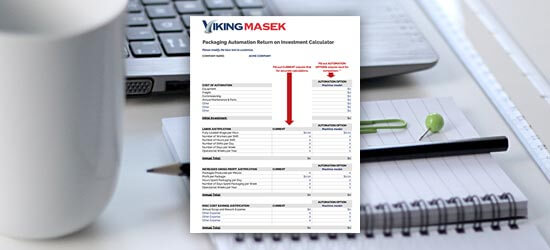
Packaging machine ROI calculator

Need help figuring out if packaging automation is right for your business?


First, start with the numbers. Download our free packing machine ROI calculator to learn how long it will take for an investment in automation to pay for itself (and much more).


Free packaging automation ROI calculator