What Are the Top Food Packing Machine Types in 2026?
In 2026, choosing a Food Packing Machine is less about chasing the newest equipment and more about matching a machine to the product, package, and production line. A delicate pastry needs different handling from frozen vegetables or liquid yogurt. Speed matters, but so do seal quality, changeover time, cleaning access, and the cost of downtime. Small details count.
Grand View Research estimated the global food packaging machinery market at USD 20.3 billion in 2023 and projected a 5.1% compound annual growth rate from 2024 to 2030. Its market report points to sustained investment, but growth figures do not tell every factory which machine will pay back. That needs a closer look. FAO’s 2023 tracking of Sustainable Development Goal 12.3 estimated that 13.2% of food was lost after harvest and before retail. Packaging equipment alone cannot solve food loss, yet reliable portioning, filling, and sealing can help protect products during handling and distribution.
This guide compares major machine types expected to remain important in 2026: vertical and horizontal form-fill-seal systems, vacuum packers, thermoformers, tray sealers, flow wrappers, and filling machines. Each suits different products and package formats. A high-speed line may look impressive; frequent product changes can still slow it down. Not every line needs automation at the same level. The sections ahead consider how these machines work, where they fit, and which practical trade-offs buyers should assess before investing.
What Food Packing Machines Do and How They Work
Food packing machines prepare products for storage, transport, and sale. They may portion food, form a package, seal it, or apply a label. The right machine depends on the product’s shape, texture, and handling needs. A liquid filler, for example, must control drips and fill volume. A machine handling crackers needs gentle movement to limit breakage.
Small details matter.
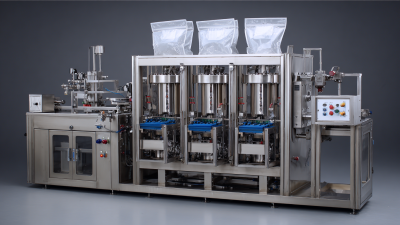
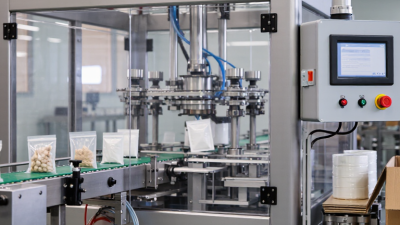
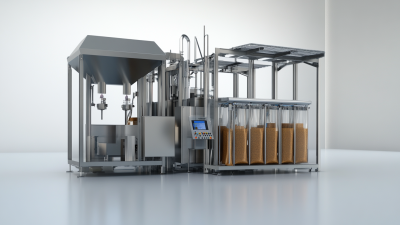
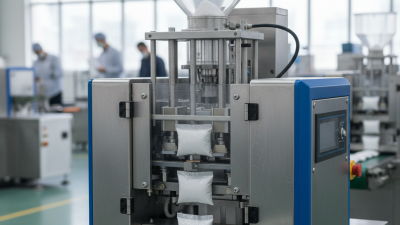
In a vertical form-fill-seal system, film unwinds from a roll and forms a tube around a product chute. The machine measures portions, drops them into the tube, then seals and cuts each bag. Flow wrappers work differently: they wrap film around individual items moving along a conveyor. Tray sealers place food in prepared trays and press a film lid over the top. Vacuum packaging systems remove air before sealing, which can help limit oxidation; they do not replace safe storage practices. More automation can improve consistency, but it also requires suitable cleaning, changeovers, and operator training. Settings rarely stay perfect across every product. A careful test run can reveal seal leaks, uneven fills, or crushed pieces before full production begins.
How Food Packing Machines Are Classified
How Food Packing Machines Are Classified
Food packing machines are commonly grouped by what they do and by the package they handle. A form-fill-seal machine makes a pouch or bag, fills it, then seals it. A tray sealer closes preformed trays, while a filling machine doses products into bottles, cups, or jars. Vacuum and modified-atmosphere systems are classified by how they remove or adjust air inside a pack. The categories can overlap. That distinction matters.
Machines can also be classified by the food itself. Liquids need controlled flow and drip management; powders need accurate dosing and dust control. Fragile items, such as berries or biscuits, may require gentle handling and careful sealing. Equipment choices also depend on output speed, pack size, cleaning needs, and how easily operators can change formats. A machine that suits a dry snack may be a poor fit for a sticky sauce. Real production lines are rarely as simple as a chart suggests.
Tips: Start with the food’s texture, target package, and daily production volume. Ask suppliers for a product trial using your actual material. Watch for seal consistency, spillage, and changeover time. Leave room for questions; specifications do not tell the whole story.
Filling and Sealing Machines for Liquids, Powders, and Pastes
In 2026, food filling and sealing machines are best selected by product texture and package style, not speed alone. Liquid fillers often use flow meters or timed pumps for soups, sauces, and drinks. A steady stream matters: splashes around the pouch edge can weaken seals. For thin liquids, a nozzle that stops cleanly helps reduce drips.
Powders need a different approach. Auger fillers meter flour, spice blends, or protein powders by turning a screw inside a hopper. The powder’s flow can change with humidity, so operators may need to adjust settings during a shift. Small test fills help reveal errors before a full run. That detail gets overlooked.
Pastes such as hummus, nut spreads, and thick tomato sauce often work well with piston fillers, which push measured portions through a wide nozzle. A heated hopper may help with some viscous products, but heat can affect quality, so it should be tested carefully. These fillers can pair with vertical form-fill-seal equipment or premade pouch machines. Seal temperature, pressure, and dwell time all matter. A neat-looking seal is not always a strong one; routine leak checks provide better evidence. Cleaning access matters too, especially around valves and product-contact parts. A machine that is accurate but difficult to clean can slow production.
Wrapping, Vacuum, and Tray-Sealing Machines for Solid Foods
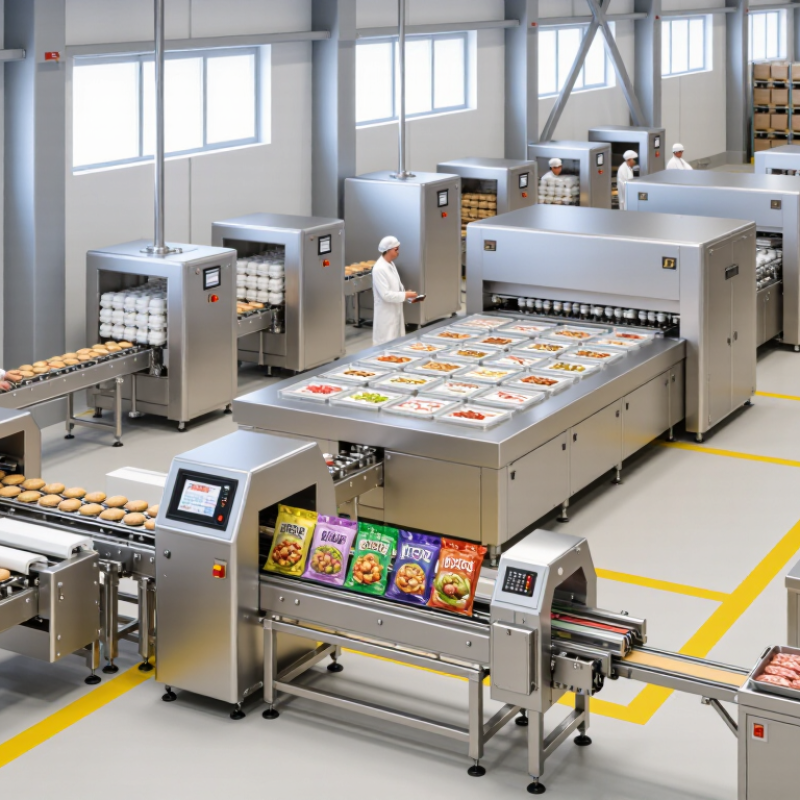
For solid foods, machine choice starts with product shape, fragility, and shelf-life needs. Flow wrappers suit bars, baked goods, and other regularly shaped items. They create snug packs at high speed, but crumbly products can shift or break during feeding. A wrapper’s speed rating matters less if its infeed damages the food.
Vacuum machines remove air from pouches, making them useful for firm foods such as cheese blocks or portions of meat. Tray sealers protect delicate items in rigid compartments and can apply films with different barrier properties. Fit matters. A tray that is too deep wastes material; one that is too shallow can crush the product. FAO’s 2019 State of Food and Agriculture estimated that 14% of food is lost between harvest and retail. That figure is not packaging-specific, but it makes damage and spoilage important measures to track.
PMMI’s 2023 State of the Industry report placed U.S. packaging machinery shipments at about $10.9 billion in 2022, reflecting broad investment in packaging equipment. Buyers should compare usable output, changeover time, seal consistency, and cleaning access—not just rated speed. Run samples of the actual food through the machine. Small crumbs or uneven portions can expose problems that a polished demonstration misses. One compromise remains: faster lines may leave less room for careful manual inspection.
Cartoning, Case-Packing, and Palletizing Systems in 2026
What Are the Top Food Packing Machine Types in 2026?
Cartoning, Case-Packing, and Palletizing Systems in 2026
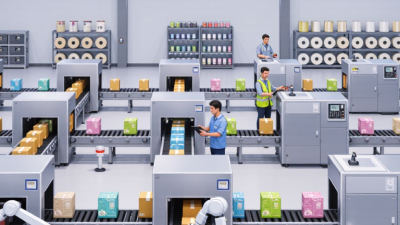
Cartoning systems form cartons, load products, and close packs for retail shelves. They suit products such as sachets, bars, and small frozen-food boxes. Match the machine to carton dimensions, product orientation, and required changeover speed. Fit matters. A carton that looks neat may still jam if its folds resist the packer. Check how operators clear misfeeds and access the product path during cleaning.
Case-packing systems group retail packs into shipping cases. Depending on the product, they may load cases from the side or top. Look closely at pack patterns, case strength, and how consistently cartons arrive from upstream equipment. Small alignment errors can cause crushed corners or uneven case closure. The line may run well during a test, then struggle with softer packaging. That happens.
Palletizing systems stack sealed cases for storage and transport. Robotic and conventional designs can handle different layouts, but both need stable case flow and accurate layer placement. Consider pallet size, load height, and whether patterns must change between products. Include space for safe access and recovery from stoppages. Automation helps, but it does not fix poor case quality. A practical evaluation should test real products and packaging, not ideal samples alone. Even then, no trial captures every shift, operator, or seasonal variation. That uncertainty deserves attention.